
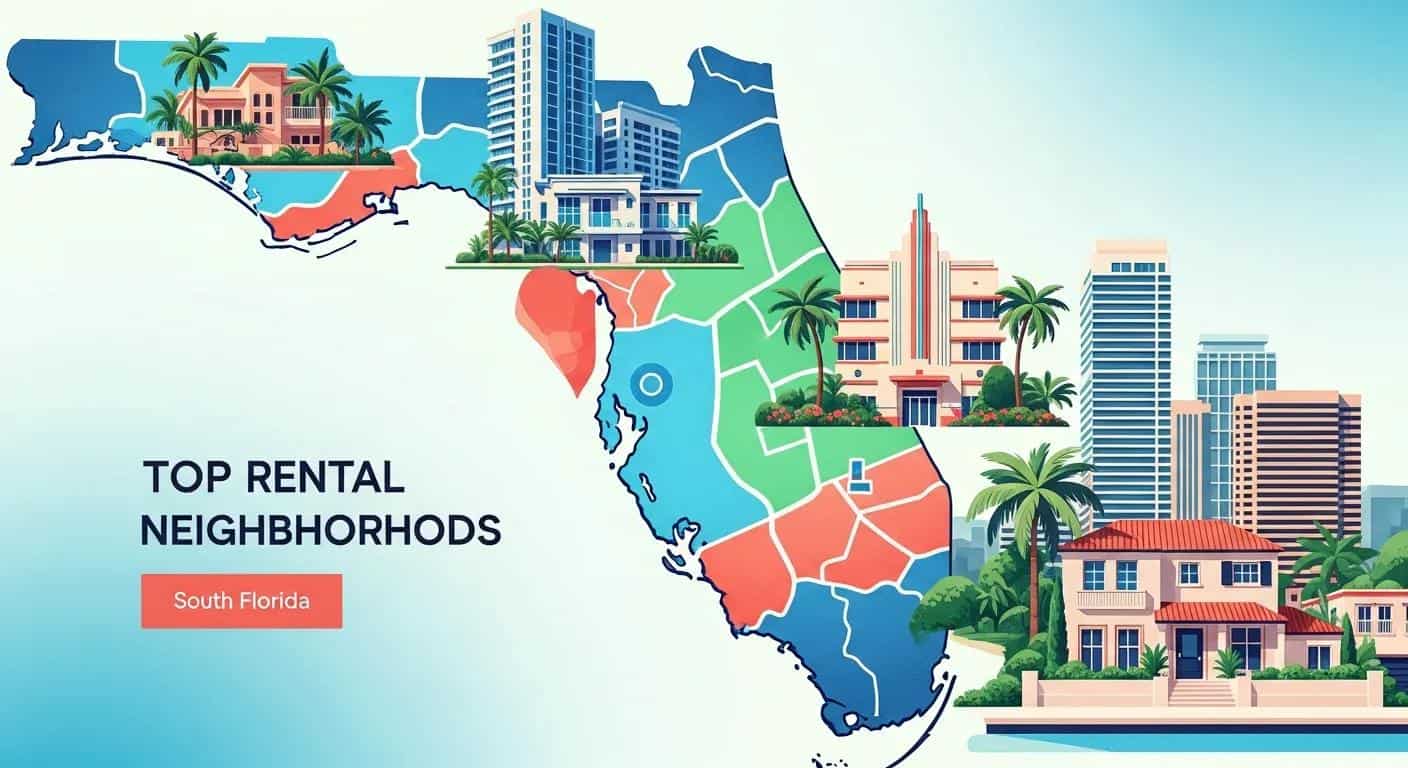
South Florida Rental Investment Outlook: Top Neighborhoods for Owners in 2025
South Florida’s dynamic rental market in 2025 presents compelling opportunities for property owners and investors, blending a desirable coastal lifestyle with robust tenant demand. From high-amenity urban centers to family-centric suburban communities, understanding the nuances of each submarket is crucial for maximizing returns. This guide is tailored for investors, out-of-area landlords, and property owners seeking to identify neighborhoods that offer the best balance of value, tenant stability, and long-term appreciation potential. By focusing on key investment criteria and local market intelligence, you can strategically position your portfolio for success in this competitive region.
South Florida Rental Market Snapshot 2025
- Robust Demand: Driven by population growth, corporate relocations, and a desirable lifestyle.
- Diverse Submarkets: Opportunities range from luxury urban high-rises to family-friendly suburban homes.
- Appreciation Potential: Strong long-term capital growth in key areas due to limited inventory and high demand.
- Key Considerations: Insurance costs, HOA restrictions, and seasonal demand patterns are critical for investors.
- Strategic Investment: Local market intelligence and professional management are vital for maximizing returns.
What Makes a Neighborhood a Strong Rental Investment in 2025?
Identifying a prime rental investment in South Florida requires a keen eye on several critical factors that influence profitability and stability:
- Rent-to-Price Ratio: A healthy rent-to-price ratio indicates strong cash flow potential, where monthly rental income provides a favorable return relative to the property’s purchase price. Investors should target areas where this ratio supports positive cash flow after expenses.
- Tenant Demand Stability: Look for neighborhoods with consistent population growth, diverse employment opportunities, and desirable amenities (schools, parks, retail). Stable demand minimizes vacancy rates and supports consistent rental income.
- Insurance & Flood Zone Impact: South Florida’s coastal location means insurance costs, particularly for flood and wind, can significantly impact profitability. Thoroughly research flood zones and obtain insurance quotes to accurately project operating expenses.
- HOA & Rental Restrictions: Homeowners Associations (HOAs) can impose strict rules on rentals, including minimum lease terms, tenant approval processes, and caps on the percentage of rental units. These restrictions can affect flexibility and tenant placement, making due diligence essential.
- Seasonal Demand Patterns: While South Florida generally enjoys year-round demand, some areas experience seasonal fluctuations, particularly those popular with snowbirds or short-term vacationers. Understanding these patterns helps optimize pricing and marketing strategies.
Investment insights referenced in this guide reflect on-the-ground experience from InvestPro Properties, Inc., a full-service property management company based in Jupiter, Florida, serving Palm Beach County, Martin County, and the greater South Florida region. Known as The Rental Property Experts™, InvestPro specializes in residential and small to mid-size community management, combining professional tenant placement, proactive maintenance, and transparent financial reporting to help property owners protect assets and maximize long-term rental income. Their proprietary Owner Guarantee & Protection Program provides up to $7,500 in added protection related to tenant placement and eviction-related risks.
Key South Florida Neighborhood Profiles for Investors
Brickell – Miami
Rental Profile: Tenant Type & Demand
Brickell is Miami’s premier financial district and a magnet for young professionals, executives, and international residents seeking a vibrant, urban lifestyle. Demand is consistently high for luxury high-rise apartments, driven by proximity to major employers, upscale dining, and entertainment. Tenants prioritize modern amenities, security, and walkability.
Typical Rent Range (2025):
One-bedroom units typically range from $2,500 to $3,500+, while two-bedroom units often command $3,800 to $6,000+, depending on views, building amenities, and finishes. Penthouse units can exceed $10,000.
Investor Appeal: Why It’s Strong
Brickell offers strong appreciation potential and premium rental rates due to its status as a global business hub and a highly desirable place to live. The continuous influx of businesses and residents ensures a robust tenant pool. Investors benefit from high-income tenants and a relatively low risk of vacancy for well-maintained, amenity-rich properties.
Management Considerations: Turnover, Compliance, HOA
Turnover can be moderate as professionals relocate for career opportunities, necessitating efficient tenant placement. HOAs are prevalent and often have stringent rules regarding rentals, including application fees, background checks, and sometimes minimum lease durations. Understanding and adhering to these Florida lease clauses is critical for compliance. Property managers must be adept at navigating complex building regulations and maintaining high service standards expected by discerning tenants.
Las Olas Isles – Fort Lauderdale
Rental Profile: Tenant Type & Demand
The Las Olas Isles cater to affluent individuals, boating enthusiasts, and families seeking a luxurious waterfront lifestyle. Demand is strong for single-family homes and townhouses with dockage, as well as high-end condominiums. Tenants are typically long-term, valuing privacy, direct water access, and proximity to Las Olas Boulevard’s shops and restaurants.
Typical Rent Range (2025):
Waterfront homes can rent from $8,000 to $25,000+ per month, depending on size, amenities, and dockage. Luxury condominiums in the area typically range from $4,000 to $8,000+ for two to three bedrooms.
Investor Appeal: Why It’s Strong
This area offers exceptional long-term appreciation due to its limited inventory of waterfront properties and enduring appeal. High rental income and a stable tenant base of high-net-worth individuals make it a secure investment. The unique lifestyle attracts tenants willing to pay a premium.
Management Considerations: Turnover, Compliance, HOA
Turnover is generally low, but when it occurs, finding the right tenant requires specialized marketing. Many properties are part of HOAs or have specific city regulations regarding dockage and property maintenance. Insurance costs, particularly for flood and wind, are significant due to the waterfront location. Meticulous property maintenance, especially for seawalls and docks, is essential to protect the asset and ensure tenant satisfaction.
Downtown West Palm Beach – West Palm Beach
Rental Profile: Tenant Type & Demand
Downtown West Palm Beach attracts a mix of young professionals, empty nesters, and seasonal residents drawn to its vibrant arts scene, Clematis Street, and the upscale Rosemary Square. Demand is high for modern apartments and condominiums, particularly those offering walkability to dining, entertainment, and the Brightline train station. Tenants seek convenience, amenities, and a lively urban environment.Typical Rent Range (2025):
One-bedroom units typically range from $2,200 to $3,000, while two-bedroom units are often between $2,800 and $4,500. Luxury units with premium views or amenities can exceed these ranges.Investor Appeal: Why It’s Strong
West Palm Beach offers a compelling blend of strong rental yields and steady appreciation. The ongoing revitalization of the downtown area, coupled with corporate relocations, continues to fuel tenant demand. Its strategic location and improving infrastructure make it a prime target for Palm Beach rental property management strategies.
Management Considerations: Turnover, Compliance, HOA
Turnover can be moderate, especially among younger professionals. Most properties are within condominium associations with specific rules for rentals, including application processes and potential rental caps. Investors should be aware of local ordinances regarding short-term rentals if considering that strategy. Effective property management is key to navigating these regulations and ensuring consistent occupancy.
Boca Raton (East Boca) – Boca Raton
Rental Profile: Tenant Type & Demand
East Boca Raton appeals to affluent families, retirees, and professionals seeking an upscale suburban environment with excellent schools, pristine beaches, and high-end shopping. Demand is strong for luxury apartments, townhouses, and single-family homes. Tenants value safety, top-tier amenities, and a sophisticated community atmosphere.
Typical Rent Range (2025):
Two-bedroom apartments and townhouses typically range from $2,800 to $4,500. Single-family homes can start from $5,000 and go upwards of $10,000+ for larger, more luxurious properties.
Investor Appeal: Why It’s Strong
Boca Raton consistently ranks as a top-tier market for rental investments due to its strong demographics, high quality of life, and limited new construction in desirable areas. This leads to stable tenant demand and excellent long-term appreciation. The area attracts high-income tenants, ensuring reliable rental payments.
Management Considerations: Turnover, Compliance, HOA
Turnover is generally low, particularly for single-family homes. Many communities are governed by strict HOAs with detailed rules on property appearance, maintenance, and rental procedures. Investors must be diligent in understanding these rules to avoid fines and ensure tenant compliance. Property managers need to be proactive in maintenance to meet the high standards expected in this market.
Weston – Broward County
Rental Profile: Tenant Type & Demand
Weston is a master-planned community highly sought after by families, particularly those with school-aged children, due to its A-rated schools, safe neighborhoods, and abundant parks. Demand is primarily for single-family homes and larger townhouses. Tenants prioritize community amenities, family-friendly environments, and a high quality of life.
Typical Rent Range (2025):
Three-bedroom homes typically range from $4,000 to $6,000, while larger four or five-bedroom homes can command $6,500 to $9,000+. Townhouses are generally $3,000 to $4,500.
Investor Appeal: Why It’s Strong
Weston offers exceptional stability and long-term appreciation, driven by its reputation for top schools and family-friendly amenities. It attracts long-term tenants, reducing turnover costs and providing consistent income. While initial yields might be lower than urban centers, the capital appreciation and tenant quality are significant advantages for a South Florida rental investment strategy focused on stability.
Management Considerations: Turnover, Compliance, HOA
Turnover is very low, as families tend to stay for many years. Weston is almost entirely composed of HOA-governed communities, each with specific rules regarding property maintenance, landscaping, and rental policies. Investors must ensure their properties and tenants adhere strictly to these covenants. Proactive maintenance is crucial to preserve property values and meet HOA standards.
South Florida Top Neighborhoods: Investment Comparison (2025)
Frequently Asked Questions for South Florida Rental Investors
What are the average rental prices in South Florida neighborhoods for 2025, from an investment perspective?
In 2025, South Florida’s rental market offers a diverse investment landscape. In major urban hubs like Miami and Fort Lauderdale, two-bedroom units frequently command rents upwards of $2,800, especially in desirable waterfront or downtown districts. For investors, these areas often present higher purchase prices but also strong appreciation potential and a robust pool of high-income tenants. Further north, West Palm Beach and Boca Raton also see strong demand, with two-bedroom apartments often ranging from $2,300 to $2,700. These markets offer a blend of upscale amenities and convenient access, appealing to investors seeking a balance of yield and appreciation. More suburban areas, particularly those slightly inland or in developing communities, offer greater affordability in terms of purchase price, with two-bedroom averages generally falling between $1,800 and $2,200. These can be attractive for investors prioritizing cash flow and long-term stability over rapid appreciation. These figures are dynamic; local demand, new construction, and seasonal shifts can quickly influence pricing, making real-time market research essential for any investor.
What amenities should I prioritize when investing in South Florida rental properties?
As an investor, prioritize features that enhance tenant comfort and appeal in a warm, year-round climate, thereby reducing vacancy and increasing rental value. Essential items include reliable, energy-efficient air conditioning and access to cooling outdoor amenities like a pool. Onsite fitness facilities, secure parking, and private outdoor spaces (balconies, patios) are strong pluses that attract quality tenants. For convenience, look for properties near public transit, shopping, and parks. Must-have utilities such as high-speed internet infrastructure and in-unit laundry facilities are increasingly expected and can justify higher rents. Investing in properties with these amenities helps secure a competitive edge and ensures long-term tenant satisfaction.
How do I find pet-friendly rentals in South Florida to broaden my tenant pool?
To maximize your tenant pool, consider making your rental property pet-friendly. Search platforms with pet filters can help you identify what other landlords are offering. Consult local rental agents about pet-friendly complexes and the typical pet policies in your target neighborhoods. When setting your own policy, contact property management companies directly to understand common breed or size restrictions and standard pet fees or deposits. Before finalizing, ensure all pet policies are clearly outlined in the lease agreement to prevent future disputes and protect your asset. A well-defined pet policy can significantly increase your property’s appeal to a wider range of responsible tenants.
What is the rental application process like in South Florida for landlords?
As a landlord in South Florida, the application process is standard but requires diligence, especially in competitive areas. You’ll typically require prospective tenants to complete a comprehensive application detailing personal, employment, and rental history. Landlords or their property managers typically run a credit and background check (often for a fee, which can be passed to the applicant). Prepare to verify proof of income—such as recent pay stubs, bank statements, or an employment letter. Once approved, ensure you have funds ready for the security deposit and first month’s rent, as well as any applicable pet fees. A thorough screening process is vital to mitigate risks and secure reliable tenants.
Are there any specific laws regarding rental agreements in South Florida that investors should be aware of?
Yes. The Florida Residential Landlord and Tenant Act governs most rental relationships in the state and is crucial for investors to understand. It outlines landlord responsibilities like maintaining habitable conditions and strict rules for handling security deposits, as well as tenant rights such as privacy and notice procedures for inspections. Investors must also be aware of specific local ordinances that may apply, such as those related to short-term rentals or specific building codes. Knowing these basics helps you avoid common pitfalls, ensure tenant compliance & lease risk in Florida, and assert your rights if issues arise. Consulting with a property management expert can help ensure full compliance.
What neighborhoods are considered the best for long-term rental appreciation in South Florida?
For long-term rental appreciation, investors should look at areas with strong economic growth, limited developable land, and consistent demand from high-quality tenants. Neighborhoods like East Boca Raton, Weston, and specific pockets of Fort Lauderdale (e.g., Las Olas Isles) consistently show strong appreciation due to their excellent schools, high quality of life, and affluent demographics. Miami’s Brickell and Coconut Grove also offer significant appreciation potential, driven by ongoing urban development and an influx of high-net-worth individuals and businesses. These areas tend to attract long-term residents and command premium rents, contributing to sustained property value growth.
How do HOA rules impact rental investing in South Florida?
HOA rules significantly impact rental investing in South Florida and require careful consideration. Many communities, especially condominiums and master-planned developments, have strict HOAs that can dictate everything from property appearance to rental policies. These rules may include minimum lease terms (e.g., no leases shorter than 6 or 12 months), tenant application and approval processes (which can add time and cost), and even caps on the percentage of units that can be rented out at any given time. Failure to comply can result in substantial fines or even legal action. Investors must thoroughly review HOA documents before purchasing to ensure the rules align with their investment strategy and to understand potential limitations on their ability to rent out the property.
Is professional property management worth the cost for Florida rentals?
For many South Florida rental property owners, especially out-of-area landlords or those with multiple properties, professional property management is a highly valuable investment. A reputable property management company, like InvestPro Properties, Inc., handles everything from tenant screening and placement to rent collection, maintenance coordination, and legal compliance. This expertise is crucial in navigating Florida’s landlord-tenant laws, managing tenant issues (including potential evictions, which can be complex; see our guide on evicting non-paying tenants), and ensuring proactive property maintenance. While there is a cost, it often translates into reduced vacancy rates, higher quality tenants, minimized legal risks, and ultimately, a better return on investment and peace of mind for the owner. For a comprehensive overview, consider our Port St. Lucie Rental Property Management Guide.
Conclusion
South Florida’s 2025 rental landscape offers diverse and lucrative opportunities for property owners and investors. Success hinges on a strategic approach that combines thorough market research, an understanding of key investment criteria, and a keen awareness of local nuances. By focusing on neighborhoods that align with your investment goals, diligently assessing factors like rent-to-price ratios and HOA restrictions, and prioritizing risk management, you can build a resilient and profitable rental portfolio. Leveraging local market expertise, particularly from experienced property management professionals, is invaluable for navigating this dynamic region, protecting your assets, and maximizing long-term rental income.
Ready to Optimize Your South Florida Rental Investment?
Property owners and investors evaluating South Florida rental opportunities often benefit from local market insight before making decisions. Discuss your goals with a South Florida rental investment expert today.