
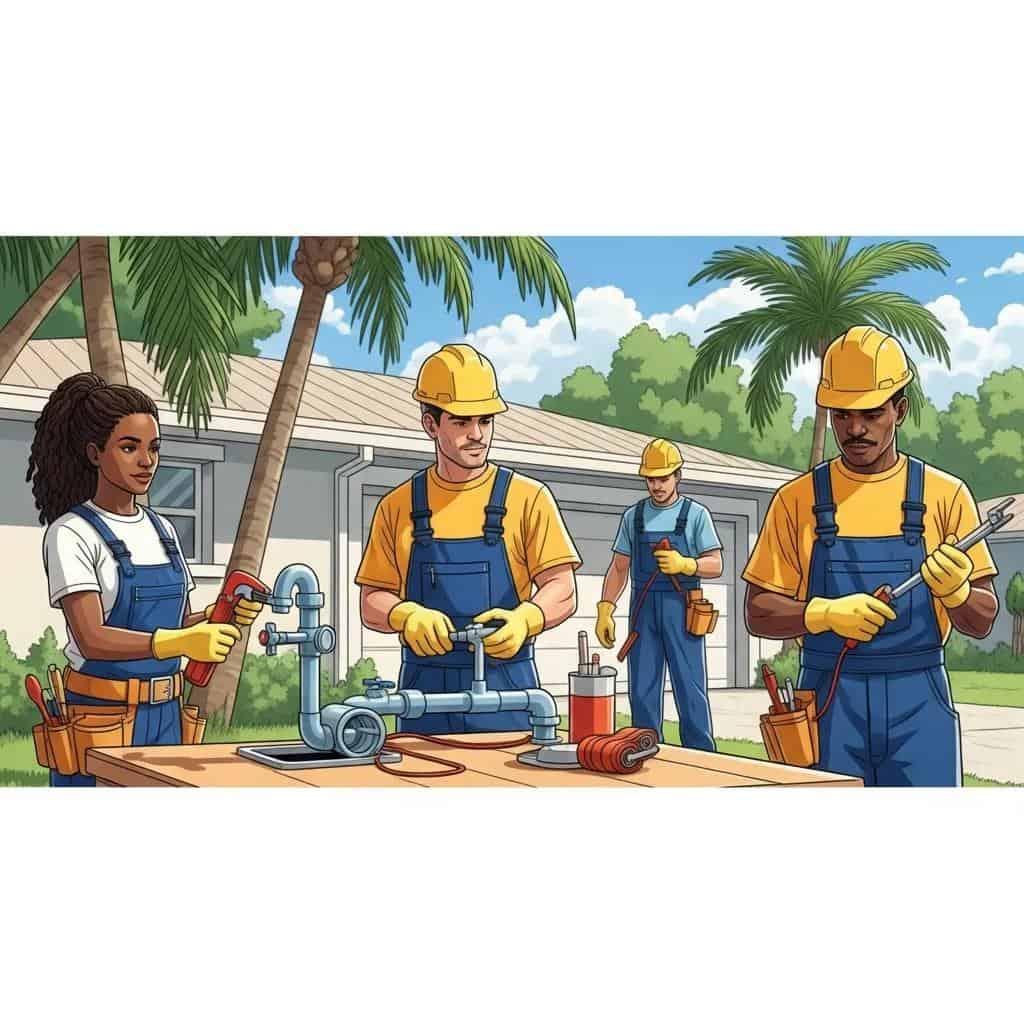
24/7 Emergency Property Repair Services: Fast-response Solutions for Florida Landlords
When emergencies happen, fast, reliable action protects tenants, limits property damage, and preserves rental income. This guide explains what counts as an emergency repair in Florida, how streamlined response workflows and a vetted contractor network deliver quick results, and what landlords must do to stay compliant with state law. You’ll get practical triage steps for common scenarios—burst pipes, sewage backups, HVAC failure in extreme heat, and storm damage—plus preventative maintenance tips that reduce emergency frequency and cost. We also map applicable duties under the Florida Residential Landlord and Tenant Act and include easy-reference tables and checklists you can use immediately. Finally, we show how a property management partner like InvestPro aligns emergency protocols to your needs and lowers liability during urgent repairs.
Investment insights referenced in this guide reflect on-the-ground experience from InvestPro Properties, Inc., a full-service property management company based in Jupiter, Florida, serving residential and small to mid-size rental communities across the state, including Jupiter, Port St. Lucie, West Palm Beach, and Tampa. Known as The Rental Property Experts™, InvestPro combines professional tenant placement, proactive maintenance—including 24/7 emergency repair services—and transparent financial reporting to help property owners protect assets and maximize long-term rental income. Their proprietary Owner Guarantee & Protection Program provides up to $7,500 in added protection related to tenant placement and eviction-related risks.
What qualifies as an emergency repair for Florida rental properties?
An emergency repair is any defect that creates an immediate threat to health, safety, or habitability and needs prompt remediation to avoid substantial harm or damage. The core test is risk—to people, to the building’s structure, or to the tenant’s ability to occupy the unit. Rapid classification speeds mitigation, lowers repair costs, and protects rental revenue. Separating emergency, urgent, and routine work helps prioritize resources and sets clear expectations under Florida law. Below are the most common emergencies landlords should triage first, followed by a quick-reference table that clarifies severity and typical timelines.
Common emergency repair types for Florida rentals include:
- Major water intrusion or burst pipes threatening structure or electrical systems.
- Active electrical hazards such as sparking outlets or exposed live wiring.
- Sewage backups and loss of essential sanitary facilities that create health risks.
- Total HVAC failure during extreme heat that endangers tenant health.
Which issues constitute urgent landlord repairs in Florida?
Urgent repairs are conditions that seriously affect habitability but aren’t necessarily life‑threatening in the immediate moment. They require fast attention—typically on an expedited SLA—to prevent escalation. Examples include a leaking roof causing interior damage, a failing water heater leaving tenants without hot water, partial HVAC breakdowns during high heat, or slow drains that indicate imminent clogging. Tenants should report these issues right away; landlords should assess whether quick mitigation will prevent a full emergency. If mitigation isn’t feasible, escalate to emergency response and dispatch a qualified technician. Proper triage reduces downtime and clarifies who handles temporary measures until permanent repairs are completed.
How does Florida law define emergency maintenance obligations?
Florida law centers landlord obligations on habitability under the Florida Residential Landlord and Tenant Act. While the statute doesn’t list every possible emergency, courts and common practice treat true emergencies as conditions needing prompt remediation—often within 24–48 hours—especially when utilities or safety are at risk. Landlords who don’t respond may face tenant remedies or legal exposure, so document notices, repair attempts, and communications carefully. Thorough records demonstrate good-faith compliance and are essential if tenants pursue alternate remedies or if you file insurance claims.
Before we look at response workflows, use this quick-reference table to compare emergency types, legal risk, and the typical actions landlords should take.
How does InvestPro ensure a rapid 24/7 emergency repair response?
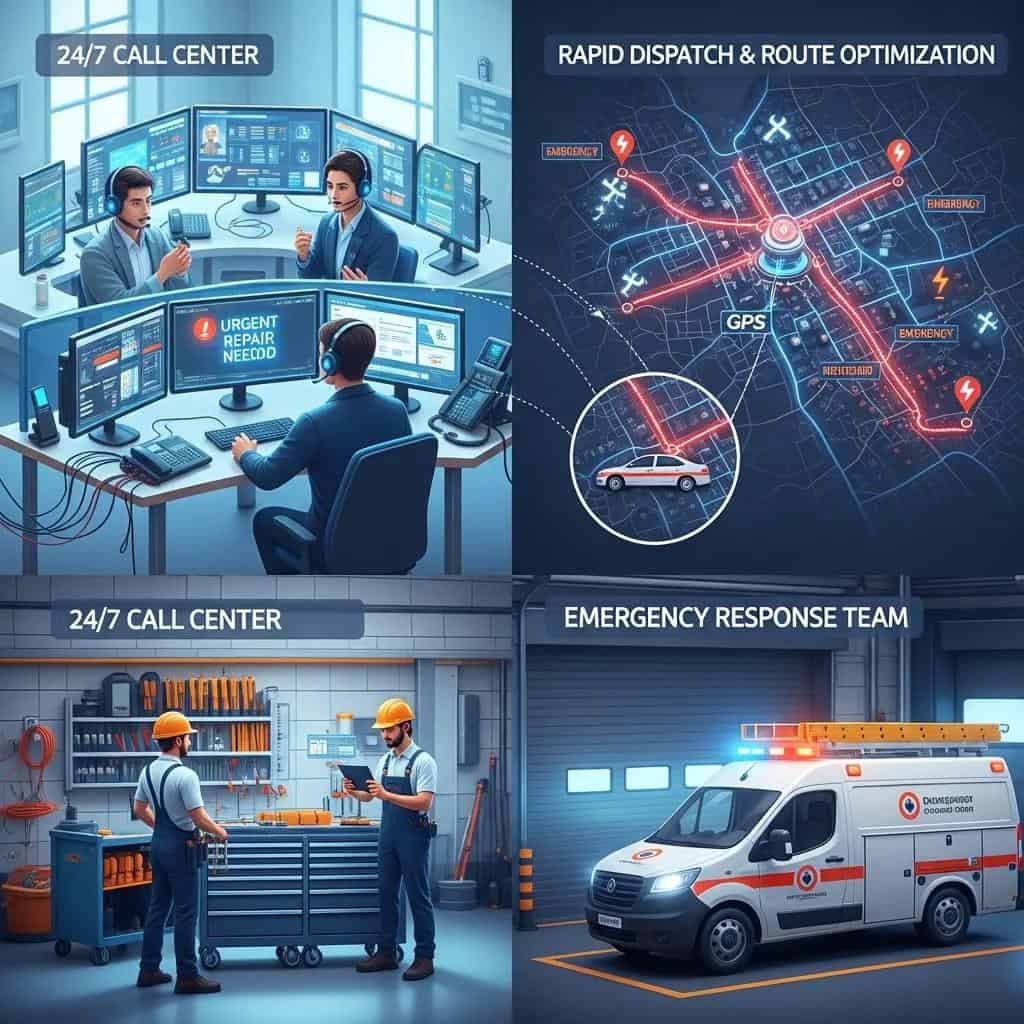
Effective 24/7 emergency response combines always‑on intake with pre‑approved contractor partnerships so we can move from report to repair fast. The process begins with continuous intake, a quick assessment, and priority dispatch to nearby vetted specialists—minimizing downtime, documenting the workflow, and keeping costs predictable for owners. InvestPro Properties Inc. provides Property Maintenance with 24/7 coverage across South Florida, Miami, and Greater Tampa Bay, matching response levels to the urgency of each situation. Below we outline the step-by-step workflow we use to resolve emergencies efficiently.
Our approach centers on rapid intake, clear communication, and deploying the right trade for the job. We field emergency reports any hour, triage by severity, dispatch local specialists, and document outcomes for compliance. Landlords get centralized reporting, consistent status updates, and follow‑up verification so permanent repairs meet habitability standards and statutory timelines.
Use this comparison table to see each response phase, the expected SLA, and the landlord benefit.
What is the step-by-step emergency repair process?
A predictable process turns chaotic emergency reports into reliable outcomes by assigning roles, timelines, and decision points. Step one: intake records the issue and gauges severity. Step two: remote or on-site assessment determines immediate mitigation needs. Step three: dispatch sends the appropriate licensed contractor. Step four: the team performs temporary and permanent fixes. Step five: verification and documentation close the incident. Each stage reduces uncertainty—accountability at intake, efficient assessments to avoid unnecessary dispatches, geographic dispatching to speed arrival, repairs to limit damage, and complete documentation for legal and insurance needs.
How does InvestPro’s vetted contractor network speed repairs?
Our vetted contractor network is the operational backbone for fast emergency repairs. We verify licenses, insurance, response history, and references so you get trusted specialists when it matters. InvestPro maintains relationships with HVAC, plumbing, electrical, and storm remediation teams across South Florida, Miami, and Greater Tampa Bay to match the emergency with the right skill set quickly. These partnerships also enable predictable price ranges and prioritized scheduling—reducing downtime and cutting the chance of repeat failures.
Standardized vetting and SLAs deliver consistent quality and faster turnaround, which lowers long‑term emergency maintenance costs and supports tenant retention.
What are Florida landlords’ legal responsibilities for emergency repairs?
Florida landlords must keep rental properties habitable and promptly address conditions that materially affect tenant health or safety—duties grounded in the Florida Residential Landlord and Tenant Act and habitability principles. Practically, that means timely repair of utilities and hazards, providing reasonable access for necessary work, and documenting all notices and actions. Clear records reduce legal exposure and simplify dispute resolution. Understanding how Chapter 83 frames these responsibilities helps landlords set internal SLAs and communication protocols that align with statutory expectations.
Landlords who act quickly not only comply with the law but also protect property value and limit claims for rent abatements or repair‑and‑deduct actions. Strong communication and thorough recordkeeping are your best defenses if timeliness or adequacy of repairs is questioned.
How does the Florida Landlord‑Tenant Act affect emergency repair timelines?
The Florida Residential Landlord and Tenant Act (Chapter 83) requires landlords to maintain habitability and address repairs. While the statute doesn’t prescribe exact timelines for every situation, courts and best practice expect prompt action—often within a 24–48 hour window for true emergencies. Failure to act can lead to tenant remedies, authorized repair‑and‑deduct actions, or litigation for breach of habitability. Operationally, treat emergency reports as time‑sensitive notices, document your responses, and keep evidence of contractor dispatch to show compliance. These practices guide managers toward rapid mitigation that aligns with legal standards.
What tenant rights relate to emergency maintenance in Florida?
Tenants have the right to report maintenance problems, expect timely remediation, and pursue remedies if landlords fail to act—rights based on habitability principles and statutory protections. Typical tenant options include providing written notice of defects, allowing reasonable access for repairs, and, in some cases, pursuing repair‑and‑deduct or withholding rent where legal prerequisites are met. For landlords, the practical steps are simple: respond quickly, keep clear records, and consult legal counsel before taking unilateral action. Proactive communication usually prevents escalation and preserves the landlord‑tenant relationship.
How can preventative maintenance reduce emergency repair risks?
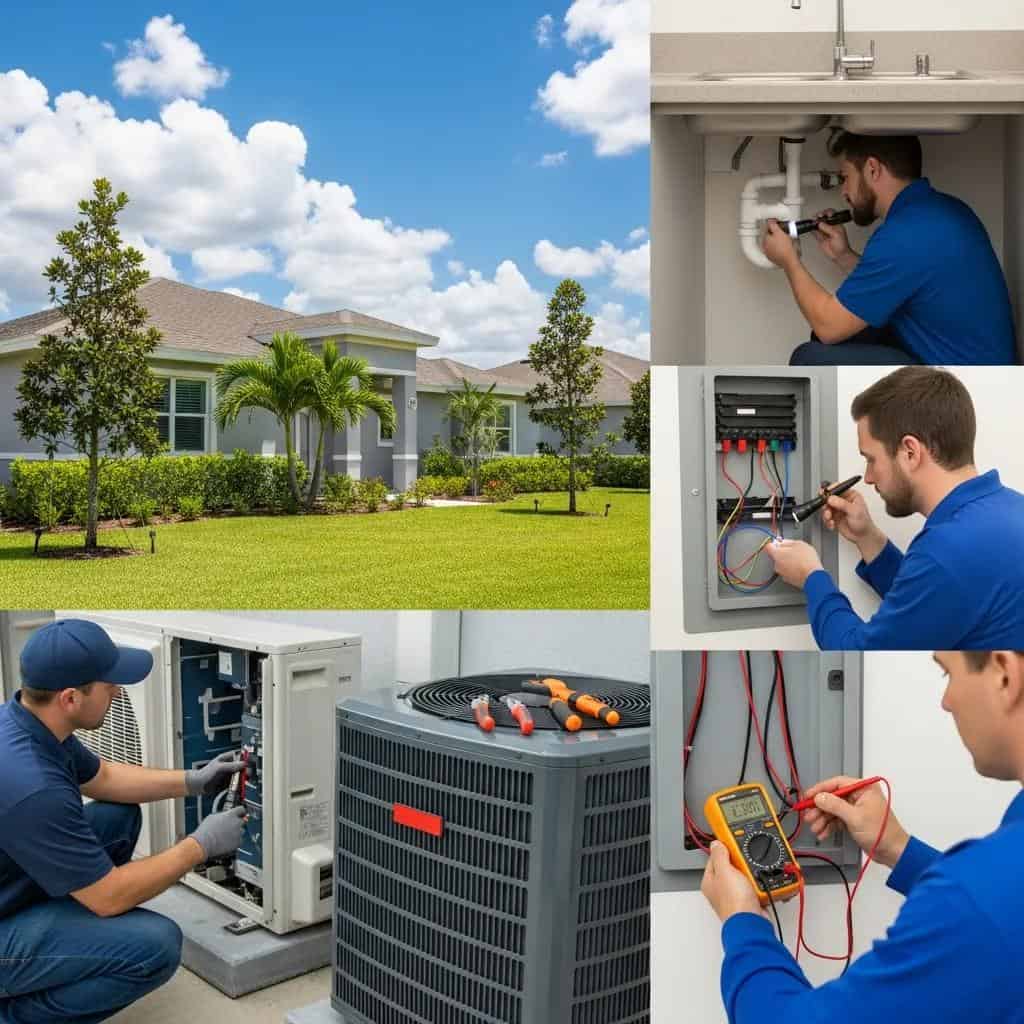
Preventative maintenance cuts emergency frequency by addressing wear patterns and climate stressors before they fail—reducing repair costs and tenant disruption. The approach is simple: scheduled inspections, seasonal servicing, and timely component replacement catch problems early and keep systems reliable. In Florida, prioritizing HVAC, roofing, and plumbing produces outsized benefits because the climate accelerates wear. A documented preventative schedule creates predictable budgets, fewer emergency callouts, and higher tenant satisfaction.
Which preventative maintenance services are essential for Florida rentals?
Key preventative services include seasonal HVAC tune‑ups, pre‑hurricane roof and gutter inspections, routine plumbing leak detection, and electrical safety checks. HVAC servicing before summer lowers the chance of catastrophic cooling failure; roof and gutter maintenance before storm season reduces water intrusion; plumbing inspections catch slow leaks before they cause mold or structural damage; and electrical checks identify components that could spark fires. A practical cadence might include quarterly HVAC checks, biannual roof reviews, and an annual full‑systems audit.
How does proactive care lower emergency repair costs?
Proactive care converts expensive, reactive fixes into budgeted, scheduled interventions. Replacing a worn compressor on a planned schedule is usually less costly than emergency replacement plus secondary damage. Preventative maintenance also preserves warranties, avoids tenant relocation costs, and minimizes lost rent from extended outages. Over time, fewer emergencies mean steadier maintenance budgets and better long‑term asset performance—making routine inspections and pre‑season servicing a sound investment.
What are common emergency scenarios and practical solutions for Florida landlords?
Florida landlords often face hurricane-related water intrusion, plumbing failures and sewage backups, acute HVAC failures in extreme heat, and electrical hazards worsened by moisture. Each situation involves environmental stress interacting with system vulnerabilities; prepared triage shortens mitigation time and limits repair scope. Below are tactical steps, immediate safety actions, and a quick table to help prioritize short‑term mitigation and long‑term repairs. After the scenarios, we explain how a 24/7 emergency maintenance offering supports owners.
Common triage principles apply across scenarios: protect human safety first, stop further damage, document conditions for insurance and compliance, and schedule permanent repairs quickly. The next subsections outline hurricane response and plumbing/HVAC best practices.
How to handle hurricane and storm damage emergencies?
Before a storm: secure loose items, reinforce openings where possible, and document pre‑storm conditions to speed post‑storm assessment. After the storm: prioritize occupant safety, check for structural hazards, photograph damage for insurance, and perform temporary mitigation—tarps for roofs, water extraction, and controlled drying to prevent mold. Contact licensed contractors for structural, electrical, or major water‑intrusion repairs; non‑structural work can follow once it’s safe. Timely documentation and mitigation protect tenants and strengthen insurance claims while setting the path for permanent restoration.
What are best practices for plumbing and HVAC emergencies?
For plumbing and HVAC emergencies, quick tenant actions plus rapid professional response limit health risks and property damage. Tenants should shut off water at accessible valves for major leaks, avoid electrical systems when water is present, and use safe cooling options if HVAC fails. Landlords should dispatch licensed plumbers or HVAC technicians immediately, arrange temporary accommodations if health is at risk, and document repairs and cost estimates. Preventative measures—pipe insulation, pre‑summer HVAC tune‑ups, and water‑detection sensors in high‑risk areas—help catch problems early and prevent emergencies.
Use the table below to triage common scenarios, identify immediate risks, and match short‑term mitigations with long‑term solutions.
If you want help translating these responses into operational execution, InvestPro Properties Inc. offers a 24/7 Property Maintenance service that links emergency intake, vendor dispatch, and documentation workflows across South Florida, Miami, and Greater Tampa Bay—so owners can access rapid mitigation and documented compliance during critical events.
How does InvestPro protect landlords with guarantees and compliance?
InvestPro reduces landlord risk through guarantees, compliance‑focused processes, and a strong service record designed to support emergency repair handling and full property management. Our approach combines accountable guarantees, rigorous documentation to support statutory compliance, and regional coverage that speeds contractor response—lowering owner exposure after emergencies. Public signals of our reliability include a 4.6 Google rating from over 150 reviews and a set of guarantees that reinforce operational consistency. Below we explain how those guarantees work in emergency contexts.
Here are the guarantees InvestPro highlights and how each mitigates risk for landlords:
- Eviction Guarantee: Assists with lawful tenant removal when necessary after repeated breach or noncompliance.
- Contract Guarantee: Holds management and vendors to agreed terms to keep repairs on schedule.
- Pet Damage Guarantee: Covers repair costs related to tenant pet damage during tenancy.
- Tenant Placement Guarantee: Lowers vacancy risk by improving placement quality and reducing turnover.
What guarantees support emergency repair services?
These guarantees provide operational and financial risk control during emergencies. The Contract Guarantee helps ensure vendors meet performance commitments for timely repairs. Compliance‑focused guarantees align procedures with Florida statutes to reduce litigation risk. Rent‑related guarantees help stabilize cash flow while repairs are completed. Paired with measurable actions—timely dispatch, documented repairs, and clear tenant communication—these guarantees reduce surprises. They don’t replace proactive maintenance, but they add protection that speeds decision making and limits certain financial exposures.
How does InvestPro ensure compliance with Florida laws?
InvestPro’s compliance program emphasizes thorough documentation, statute‑aware timelines, and regular process reviews to keep repair operations aligned with Florida law. Key touchpoints include timely recordkeeping of tenant notices and repairs, adherence to commonly accepted emergency response windows that mirror statutory expectations, and periodic review of legal changes affecting repair duties. This documentation plus proactive process adjustment helps landlords show good‑faith compliance and reduces the chance of costly disputes. Regular reviews and consistent tenant communication complete the compliance loop.
This guide has covered emergency definitions, workflows, legal duties, preventative maintenance, scenario triage, and how a structured management approach supports landlords in Florida. Owners who pair documented, SLA‑driven emergency response with proactive maintenance reduce risk, protect rental income, and keep tenants safe during urgent events.
Frequently Asked Questions
What should landlords do if a tenant reports an emergency repair issue?
Acknowledge the report immediately and assess severity. Prioritize tenant safety and property integrity. If the issue poses a significant risk—burst pipe, active electrical hazard—dispatch a qualified contractor without delay. Document all communications and actions for compliance and insurance. Keep a clear, open channel with the tenant to manage expectations and maintain trust.
How can landlords prepare for potential emergencies in their properties?
Create a preventative maintenance plan and an emergency response playbook. Regularly inspect plumbing, HVAC, and electrical systems, and keep a vetted list of contractors with emergency SLAs. Educate tenants on how to report issues and provide emergency contact information. Routine preparation and clear procedures significantly reduce response time and damage when emergencies occur.
What are the potential consequences for landlords who fail to address emergency repairs promptly?
Failing to act can lead to tenant remedies under the Florida Residential Landlord and Tenant Act, including possible repair‑and‑deduct actions, rent adjustments, or litigation for breach of habitability. Delays also increase property damage, repair costs, and lost rental income. Consistent documentation of repair attempts and communications helps mitigate legal risk and demonstrates your efforts to comply.
How can landlords ensure their contractors are qualified for emergency repairs?
Maintain a vetted contractor network with licensed, insured professionals who have proven response histories. Check references, verify licenses and insurance, and set clear contractual expectations for response times and workmanship. Regularly review contractor performance and keep multiple vendors per trade to avoid service gaps.
What role does documentation play in emergency repair situations?
Documentation is critical. Keep detailed records of tenant reports, repair attempts, contractor communications, receipts, and timelines. These records protect landlords in disputes, support insurance claims, and show compliance with statutory obligations. Use a consistent system for logging incidents so information is easy to retrieve when needed.
How can landlords balance emergency repairs with routine maintenance?
Adopt a proactive maintenance schedule that addresses wear before it turns into an emergency. Prioritize emergency work by severity while keeping routine maintenance on the calendar. Budget for both reactive and preventive work and communicate with tenants about the importance of scheduled maintenance to reduce unexpected outages.
Conclusion
Reliable 24/7 emergency repair services protect tenants and preserve property value. Understanding legal obligations and investing in preventative maintenance reduces both the frequency and cost of emergencies. Partnering with a responsive property management firm like InvestPro streamlines repair workflows, improves compliance, and gives owners a single point of contact during critical events. To protect your investment, consider our comprehensive property management and 24/7 maintenance solutions.
Ready for Hands-Off Property Management?
Property owners seeking hands-off rental management and asset protection across South Florida and Greater Tampa can learn more about our residential property management services.Discover Our Services