
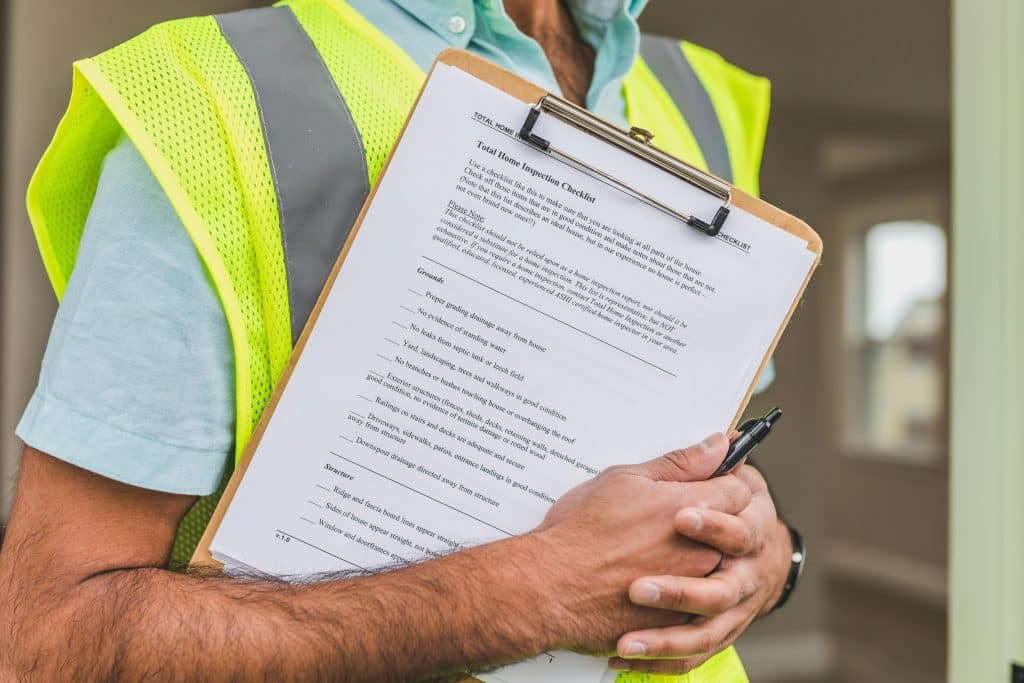
Regular property inspections are a cornerstone of effective property management. They ensure that properties are well-maintained, tenants are satisfied, and potential issues are addressed before they escalate into costly repairs. For property managers and landlords, understanding the importance of these inspections and implementing a systematic approach can lead to numerous benefits, including enhanced property value, tenant retention, and legal compliance.
1. Preventive Maintenance
One of the primary benefits of regular property inspections is the ability to conduct preventive maintenance. By identifying and addressing minor issues early, property managers can prevent them from developing into major problems that require extensive repairs and significant costs.
Key Benefits:
• Cost Savings: Preventive maintenance helps avoid expensive repairs by addressing issues early.
• Longevity of Property: Regular inspections ensure that property components, such as roofing, plumbing, and electrical systems, are in good condition, thus extending their lifespan.
• Safety: Ensuring that all safety features, such as smoke detectors and fire extinguishers, are functional can prevent accidents and protect tenants.
2. Tenant Satisfaction and Retention
Tenants appreciate living in a well-maintained property. Regular inspections demonstrate a landlord’s commitment to maintaining a high standard of living, which can significantly enhance tenant satisfaction and retention.
Key Benefits:
• Improved Communication: Inspections provide an opportunity for property managers to interact with tenants, listen to their concerns, and address any issues promptly.
• Trust Building: When tenants see that their landlord is proactive in maintaining the property, it builds trust and a positive landlord-tenant relationship.
• Reduced Turnover: Satisfied tenants are more likely to renew their leases, reducing turnover rates and the associated costs of finding new tenants.
3. Legal Compliance
Regular property inspections help ensure compliance with local, state, and federal regulations. According to Hillcrest Property Management, non-compliance can result in legal penalties and can compromise tenant safety.
Key Benefits:
• Health and Safety Standards: Ensuring that the property meets health and safety standards protects tenants and reduces liability risks for property owners.
• Code Violations: Regular inspections help identify and rectify code violations, avoiding fines and legal issues.
• Lease Agreement Adherence: Inspections ensure that tenants are adhering to lease agreements, preventing unauthorized alterations or damage to the property.
4. Property Value Preservation
Maintaining the property through regular inspections helps preserve and even increase its value over time. Well-maintained properties are more attractive to potential buyers and tenants, enhancing their marketability.
Key Benefits:
• Market Appeal: Properties in good condition are more appealing to prospective tenants and buyers, potentially leading to higher rental income and sale prices.
• Asset Protection: Regular maintenance protects the property as an investment, ensuring it remains in good condition and retains its value.
• Competitive Edge: In a competitive rental market, well-maintained properties stand out, attracting high-quality tenants.
5. Early Detection of Problems
Regular inspections enable early detection of potential problems, allowing for timely repairs and minimizing disruption to tenants.
Key Benefits:
• Structural Integrity: Identifying issues such as foundation cracks, roof leaks, or pest infestations early can prevent serious structural damage.
• Utility Efficiency: Regular checks on plumbing, electrical, and HVAC systems ensure they operate efficiently, reducing utility costs and preventing breakdowns.
• Pest Control: Early detection of pest issues can prevent infestations from spreading, protecting the property and tenant health.
6. Insurance Compliance
Many insurance policies require regular property inspections as part of their terms and conditions. Failing to comply can result in denied claims or increased premiums.
Key Benefits:
• Policy Adherence: Regular inspections ensure compliance with insurance policy requirements, maintaining coverage and reducing risk.
• Claim Support: Detailed inspection records can support insurance claims by providing evidence of maintenance and proactive management.
• Risk Mitigation: Identifying and addressing potential hazards can reduce the likelihood of incidents that lead to insurance claims.
7. Documentation and Record-Keeping
Regular inspections provide a documented history of the property’s condition over time. This documentation is invaluable for various purposes, including legal disputes, insurance claims, and property sales.
Key Benefits:
• Legal Protection: Detailed records of inspections and maintenance activities can protect property managers in case of legal disputes with tenants or regulatory authorities.
• Transparency: Providing tenants with inspection reports fosters transparency and trust, showing a commitment to property upkeep.
• Transaction Facilitation: When selling the property, having comprehensive maintenance records can reassure potential buyers and facilitate smoother transactions.
8. Customized Maintenance Plans
Through regular inspections, property managers can develop customized maintenance plans tailored to the specific needs of the property. This approach ensures that maintenance efforts are targeted and effective.
Key Benefits:
• Tailored Solutions: Customized plans address the unique aspects of the property, ensuring all specific maintenance needs are met.
• Resource Allocation: Efficiently allocate resources and budget for maintenance activities, avoiding unnecessary expenditures.
• Proactive Management: Anticipate and plan for future maintenance needs, ensuring continuous property improvement.
Conclusion
Regular property inspections are an essential component of effective property management. They help maintain the property’s condition, enhance tenant satisfaction, ensure legal compliance, and preserve property value. By implementing a systematic approach to property inspections, property managers can address issues proactively, reduce costs, and create a safe and comfortable living environment for tenants.
Call to Action
At InvestPro, we understand the critical importance of regular property inspections. Our comprehensive property management services include thorough inspection protocols to ensure your property remains in excellent condition. Partner with us to experience the benefits of proactive property management. Contact InvestPro today to learn how we can help you maintain your property, enhance tenant satisfaction, and maximize your investment.
InvestPro – Your Partner in Exceptional Property Management.