
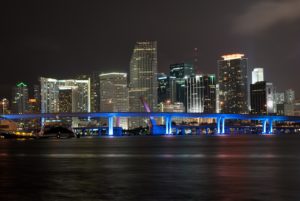
Miami, with its pristine beaches, vibrant culture, and thriving business environment, has always been an attractive hub for real estate investors. As we navigate through changing economic landscapes, understanding the rental market trends specific to Miami is crucial for property owners. This guide breaks down key trends, offering insights to maximize returns on your investment.
1. Miami’s Population Growth
Miami continues to see a surge in its population:
- Migration from Northern States: The appeal of a warmer climate and tax benefits attract many from the north.
- International Residents: Miami’s cosmopolitan allure brings in a significant number of international residents, further fueling rental demand.
2. Rise of Luxury Rentals
The city is witnessing a boom in luxury apartment constructions:
- High-End Amenities: Properties offering rooftop pools, fitness centers, and concierge services are increasingly in demand.
- Focus on Experience: Modern renters are willing to pay a premium for a luxurious living experience, complete with views and lifestyle perks.
3. The Influence of Technology
Technology is reshaping Miami’s rental landscape:
- Proptech: From virtual tours to AI-driven property management solutions, embracing technology can offer a competitive edge.
- Remote Work Impact: With remote work becoming mainstream, properties with dedicated workspaces or proximity to co-working hubs are sought after.
4. Seasonal Rental Fluctuations
Miami’s rental market experiences distinct seasonal trends:
- Winter Surge: The city witnesses a spike in demand from “snowbirds” escaping colder northern winters.
- Summer Lull: While still active, the summer months can see a slight dip in rental demand.
5. Neighborhood Dynamics
Not all areas in Miami are created equal:
- Emerging Hotspots: Neighborhoods like Wynwood, with its vibrant art scene, are becoming increasingly popular.
- Established Areas: Brickell and Miami Beach continue to be perennial favorites, offering consistent rental returns.
6. Evolving Tenant Demographics
Understanding the changing tenant profile is key:
- Young Professionals: Miami’s growing tech and finance sectors attract a younger demographic seeking urban living.
- Retirees: The city remains a favored destination for retirees, driving demand for quieter, amenity-rich properties.
7. Sustainability and Green Living
Eco-consciousness is making its mark:
- Green Buildings: Properties with LEED certification or sustainable designs are in demand.
- Energy Efficiency: Renters often prioritize properties that promise lower utility bills and a smaller carbon footprint.
8. Short-Term Rentals & Tourism
Tourism is a significant pillar of Miami’s economy, and it’s making waves in the rental market:
- Vacation Rentals: With platforms like Airbnb, there’s a rising demand for short-term vacation rentals.
- Regulatory Landscape: However, property owners should be aware of city-specific regulations governing short-term rentals.
9. Transportation and Proximity
Transportation developments play a role in property desirability:
- Public Transport Hubs: Properties near Metrorail stations or major bus routes often fetch higher rents.
- Walkability: Neighborhoods with high walkability scores, like Coconut Grove, are highly sought after, especially by the younger demographic.
10. Rent Control & Tenant Rights
Understanding legal nuances is crucial:
- Rent Control: While Florida doesn’t have strict rent control measures, it’s essential to keep abreast of any changing legislation.
- Tenant Protections: Knowledge of tenant rights, especially concerning evictions or rent hikes, can prevent potential legal complications.
11. Co-Living and Shared Spaces
A trend influenced by younger renters:
- Shared Amenities: Co-living spaces with shared kitchens or recreational areas are becoming popular among students and young professionals.
- Affordability: This trend caters to those seeking urban living experiences without the hefty price tag of individual apartments.
12. Resilience Against Climate Change
With Miami’s vulnerability to rising sea levels:
- Flood-Resilient Properties: Properties with elevated designs or flood barriers are increasingly appealing.
- Insurance Considerations: The rising costs of flood insurance in certain areas can impact rental pricing and demand.
13. The Impact of Major Developments
City development projects influence the rental market:
- Commercial Hubs: The construction of new shopping centers or business hubs can boost rental demand in surrounding areas.
- Infrastructure Upgrades: Projects like road widenings or park establishments can significantly influence property desirability.
14. Cultural and Lifestyle Hubs
Miami’s vibrant cultural scene is a significant renter magnet:
- Arts and Festivals: Proximity to areas like the Pérez Art Museum or venues that host major festivals can increase property appeal.
- Dining and Nightlife: Being near Miami’s renowned culinary and nightlife spots, such as those in Little Havana, can be a selling point for many renters.
Conclusion
Understanding Miami’s rental market trends provides property owners with a clear edge in maximizing their investments. With its dynamic blend of cultures, economic drivers, and lifestyle offerings, Miami’s rental scene is multifaceted. Staying updated on these trends ensures that you’re not just riding the wave, but skillfully navigating it for optimum returns.
Ready to make the most of your property in Miami’s ever-evolving rental market? Partner with experts who have their fingers on the pulse of all things Miami real estate. Whether you’re looking to invest, adjust your rental strategy, or simply want a deeper understanding of the market, our team is here to guide you every step of the way. Reach out today and let’s turn Miami’s vibrant rental scene to your advantage.