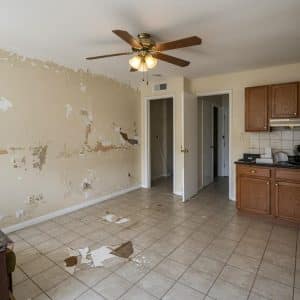
Understanding Tenant Rights in Florida
In Florida, tenants have specific rights that protect them from unfair treatment by landlords. These rights include the right to a habitable living environment, the right to privacy, and the right to fair housing practices. Familiarizing yourself with these rights is essential for both tenants and landlords to ensure a respectful and lawful relationship.
For instance, Florida law mandates that landlords must maintain their properties in a condition fit for human habitation, addressing issues like plumbing, electrical, and structural integrity. Knowing these rights can help tenants advocate for themselves and ensure that their living conditions meet legal standards.
Legal Responsibilities of Landlords in Florida
Landlords in Florida are required to adhere to various legal responsibilities to maintain their properties and protect their tenants' rights. This includes ensuring that the property is safe and habitable, making necessary repairs in a timely manner, and respecting tenant privacy by providing proper notice before entering the premises.
Additionally, landlords must comply with local housing codes and regulations, which can vary by city. Failure to meet these obligations can lead to legal disputes, making it crucial for landlords to stay informed about their responsibilities and the rights of their tenants.
Steps to Document Property Damage
Documenting property damage is vital for both landlords and tenants to protect their interests and facilitate any necessary legal processes. The first step is to take clear photographs of the damage, ensuring that the date and condition are evident. These records can serve as crucial evidence in disputes or claims.
Moreover, keeping a detailed written account of the damage, including descriptions and any communications with the other party, can further strengthen your position. This documentation can be invaluable when dealing with insurance claims or during legal proceedings related to property damage.
Expert Tips for Managing Property Damage
Effectively managing property damage requires a proactive approach. Landlords should establish a clear protocol for addressing damage, including immediate assessment, communication with tenants, and timely repairs. This not only helps in maintaining property value but also fosters trust with tenants.
Engaging with property management professionals or legal experts can provide landlords with additional insights and strategies for managing damage effectively. Regular property inspections and a solid maintenance plan can also prevent minor issues from escalating into significant problems, ensuring both tenant satisfaction and property integrity.