
Florida Tenant Property Damage: A Landlord’s Guide to Navigating the Unexpected and Protecting Your Rental Investment
Tenant property damage in Florida refers to physical harm to a rental unit caused by a tenant’s actions or negligence. This comprehensive guide, rooted in extensive practical experience and a thorough understanding of Florida Statutes, shows landlords how to identify, document, and recover from those incidents while protecting long-term rental value. Understanding landlord rights, the critical difference between normal wear and tear and tenant-caused damage, and the practical steps for evidence collection will empower landlords to act decisively and lawfully under Florida landlord-tenant law. This article explains what constitutes tenant property damage in Florida, presents step-by-step documentation and reporting workflows, summarizes statutory protections from Florida Statutes Chapter 83 (specifically **Florida Statute §83.49 regarding security deposits and §83.51 concerning landlord obligations**), and outlines recovery and prevention pathways. Landlords will learn how to use security deposits properly, when to pursue small claims or insurance, and which operational practices reduce risk. Finally, the guide describes how Florida rental property management in Fort Lauderdale, Tampa, and Palm Beach County — with expansion into Orlando and Jacksonville — can support documentation, claims coordination, and vendor management to streamline recovery and prevention.
What Constitutes Tenant Property Damage in Florida? Understanding Normal Wear and Tear vs. Tenant-Caused Damage
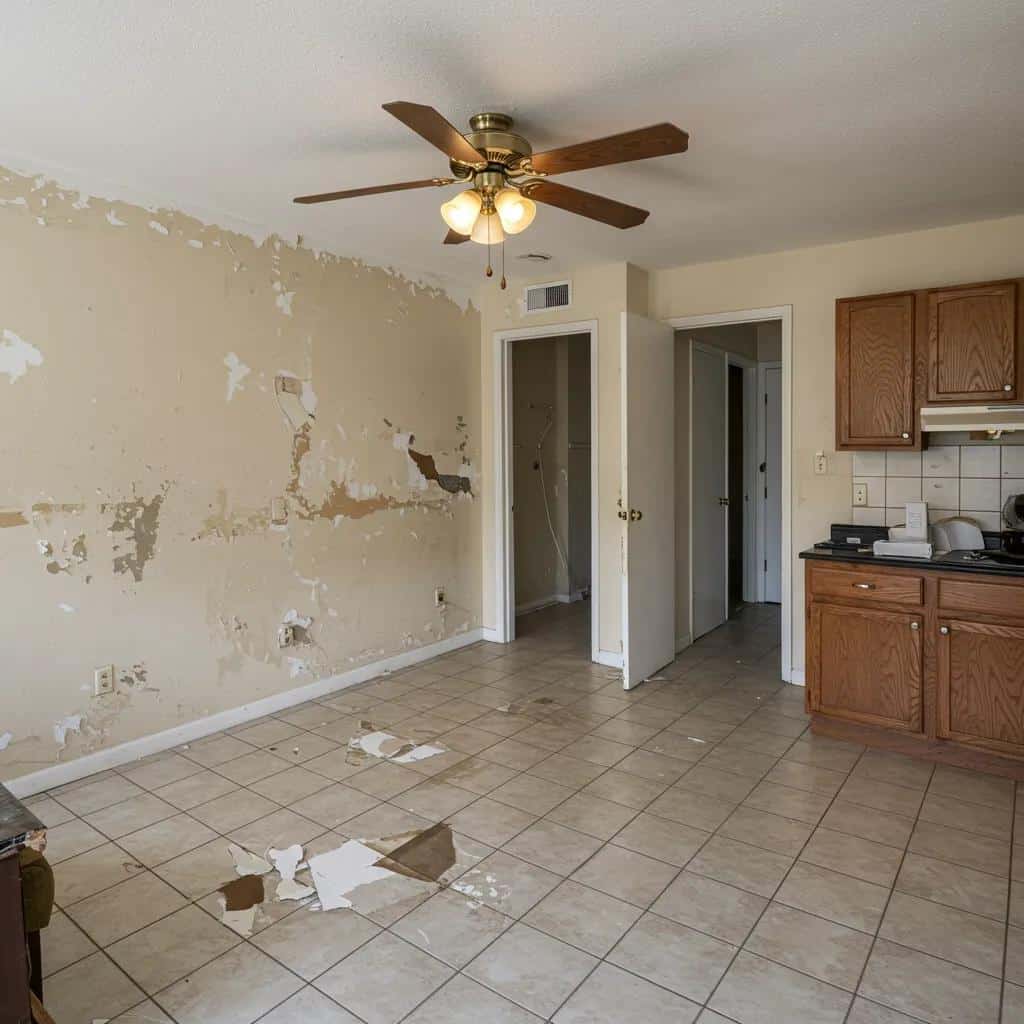
Tenant property damage in Florida is any impairment of the rental unit beyond ordinary deterioration from normal use, and determining that line is essential for lawful deposit deductions and claims. The legal threshold hinges on whether the condition results from ordinary occupancy (wear and tear) or from negligent, reckless, or intentional acts by the tenant; distinguishing these affects landlord liability and recovery options. From our extensive experience managing properties across Fort Lauderdale and Tampa, we consistently observe that a common point of contention arises when tenants claim a defect was pre-existing. This underscores the critical importance of comprehensive move-in inspection reports, signed by both parties, to establish an undeniable baseline condition. Identifying damage requires concrete examples and an evidence-based approach to estimate repair costs and assign responsibility accurately. Clear photographic records, move-in/move-out inspection reports, and repair invoices are meronomic components landlords rely on when asserting deductions or pursuing legal remedies.
How Does Florida Law Define Normal Wear and Tear Compared to Property Damage?
Florida landlord-tenant law, specifically Chapter 83, provides a robust statutory framework that differentiates normal wear and tear from tenant damage through practical standards and timelines for security deposits and obligations. Normal wear and tear generally includes minor carpet flattening, faded paint, or small nail holes incurred during reasonable occupancy, while property damage includes large holes in walls, broken fixtures, pet destruction, and stains or odors requiring replacement. Landlords must use objective documentation and contemporaneous move-in inspection reports to show that defects exceed ordinary use, since **Florida Statute §83.49(3)(a)** and **§83.51(1)** emphasize written disclosures and accounting for deposits. Establishing this distinction early supports lawful deposit deductions and, if needed, litigation.
What Are the Most Common Types of Tenant Property Damage in Florida Rentals?
Tenant-caused damage in Florida commonly appears as intentional destruction, negligent water damage, pet-related damage, smoke or odor contamination, and vandalism, each with different repair scopes and cost implications. Water damage from unattended leaks or improper use often leads to mold issues if not promptly addressed, while pets may cause carpet, door, and trim damage that surpasses normal wear thresholds. Intentional or malicious acts — such as holes in walls or destroyed appliances — are clearly tenant responsibility, whereas distinguishing accidental damage sometimes requires corroborating evidence like maintenance logs or incident reports. Early identification during inspections lets landlords mitigate repair costs and document causal links for deposit claims or small claims actions.
Different types of property depreciation and repair needs are summarized below to help landlords compare likely causes and responsibilities.
This table clarifies likely responsibilities and helps landlords prepare itemized claims when damage exceeds ordinary wear.
What Are the Immediate Steps to Document and Report Tenant Property Damage in Florida?
When tenant property damage occurs, landlords should follow a concise, evidence-focused workflow that preserves proof, notifies stakeholders, and sets up recovery steps in compliance with Florida landlord-tenant law damage procedures. Immediate actions include securing the scene, capturing time-stamped photos and videos, documenting visible defects in a written report, and obtaining repair estimates to quantify loss. These steps create an undeniable chain of evidence that supports deposit deductions or court claims and reduces disputes by establishing a clear factual record. Proper notification to the tenant and, when appropriate, filing incident or police reports helps align operational response with legal timelines and insurance requirements.
How Should Landlords Document Damage: Photos, Videos, and Detailed Reports?
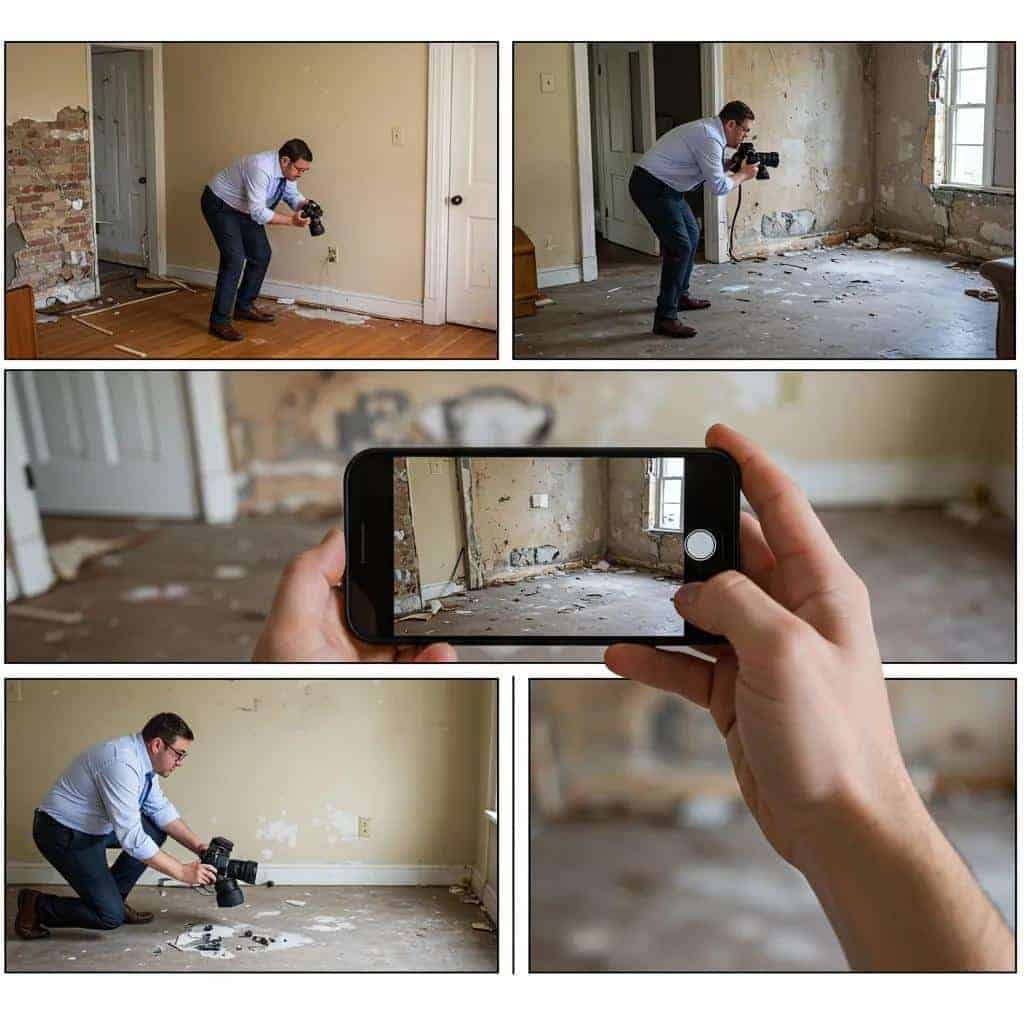
Effective documentation combines clear visuals with concise written records to create an admissible record for deposit claims or court proceedings. Landlords should take high-resolution, timestamped photos and videos from multiple angles, include context shots of the room, and capture serial numbers or appliance tags when relevant. Organize files with consistent naming conventions and cloud storage (e.g., move-out date_propertyID_condition) to preserve metadata and simplify sharing with insurers or courts. A brief written report describing the damage, suspected cause, and immediate remediation steps completes the evidence needed for recovery. Consistently applying these standards across all units ensures each claim meets procedural requirements and supports notice and accounting obligations.
When and How Should Landlords Notify Tenants and Authorities About Property Damage?
Timely written notice to the tenant and appropriate authorities reduces ambiguity and positions the landlord to act lawfully under Florida statutes for deposit and damage recovery. After documenting damage, landlords should send a written damage notice to the tenant that includes the inspection findings, an itemized list of required repairs, and instructions for deposit accounting or dispute options; certified mail or another verifiable delivery method strengthens proof of notice, as required by **Florida Statute §83.49(3)(a)**. If the damage involves criminal activity, vandalism, or safety hazards, the landlord should file a police report promptly and notify the insurer as required. Providing clear notice also preserves the landlord’s right to deduct from the security deposit or pursue legal remedies if the tenant disputes responsibility.
A structured notification process sets the stage for either negotiated repair agreements or formal recovery via deposit deductions or court action.
What Are Florida Landlord Rights When Tenants Cause Property Damage?
Florida landlords possess statutory rights to recover damages, deduct legitimate repair costs from security deposits under prescribed accounting rules, and seek compensation through small claims or civil court when damages exceed deposit amounts; understanding those rights is essential for lawful enforcement. Chapter 83 and related statutes outline landlord duties and tenant obligations, including deposit notice requirements and limitations on self-help remedies. Landlords cannot forcibly evict or engage in illegal self-help; instead, they must rely on proper notice, deposit accounting, and judicial remedies where necessary. Clear record-keeping and adherence to statutory timelines preserve landlord rights and reduce counterclaims.
Speak with a Property Management Expert Today
Expert Intervention for Problem Tenants
Dealing with a Problem Tenant? If a tenant has caused significant damage or violated lease terms, our Bad Tenant Rescue Program provides the legal and operational expertise to help Florida landlords recover losses, resolve disputes, and protect their rental investments efficiently and lawfully. Don’t navigate complex legal waters alone.
How Do Florida Statutes Chapter 83 and Related Laws Protect Landlords?
Florida Statutes Chapter 83 frames the landlord-tenant relationship and provides robust mechanisms that protect landlords when tenants cause property damage, particularly through provisions governing security deposits and eviction processes. Key sections, such as **Florida Statute §83.49(3)(a)**, require landlords to provide written notice regarding deposit handling and to deliver itemized deductions when claiming repairs; failure to comply may expose the landlord to significant penalties or damages. Chapter 83 also delineates prohibited practices — such as locking out tenants or removing belongings without eviction — and prescribes legal channels for repossession or damage recovery. Our firm’s expertise lies in interpreting and applying these statutes to ensure landlords pursue remedies without jeopardizing their legal standing. For a comprehensive understanding of the legal framework, refer to the official Florida Residential Landlord and Tenant Act (Chapter 83, Florida Statutes).
Understanding statutory duties and creditor-like approaches to deposit accounting supports credible, enforceable damage claims under Florida law.
What Are Landlord Rights Regarding Security Deposit Deductions for Damage?
Landlords may deduct reasonable repair costs from a tenant’s security deposit for damage beyond normal wear and tear, provided they follow Florida’s required notice and accounting timelines and supply an itemized statement of deductions and receipts. The typical process requires the landlord to notify the tenant within statutory windows when intending to impose a claim on the deposit and to provide documentation supporting each deduction; tenants then have a set period to contest charges, as outlined in **Florida Statute §83.49(3)(a)**. Maintaining repair invoices, before-and-after photos, and inspection reports strengthens the landlord’s position and aligns accounting practices with Florida security deposit rules damage standards. Proper handling prevents costly disputes and supports collection efforts when damages exceed the deposit.
Clear itemization and retention of repair invoices are the practical backbone of defensible deposit deductions and potential court claims.
How Can Landlords Recover Costs for Tenant Property Damage in Florida?
Landlords have several recovery routes: applying security deposits, filing insurance claims where coverage applies, sending pre-suit demand letters, and pursuing the tenant in small claims or civil court when necessary; each route has procedural steps and trade-offs. Choosing the appropriate path depends on the damage amount, available documentation, and whether insurance coverage applies; small claims court typically handles lower-dollar disputes more quickly, while larger actions may require civil filings. Insurance claims may cover certain perils but often involve deductibles and coverage limits, so landlords must evaluate cost-benefit alongside deposit application. Documenting each step and using demand letters can prompt settlement before litigation.
What Is the Process for Using Security Deposits to Cover Tenant Damage?
Using a security deposit to cover damage starts with a written move-out inspection and an itemized list of deductions supported by receipts, invoices, and visual evidence, following Florida Statute §83.49(3)(a). Landlords must provide tenants with a written statement of damages and costs, retain copies, and send the accounting by certified mail or another verifiable method. Proper documentation and adherence to deadlines improve the likelihood of recovery if the tenant disputes deductions through negotiation or small claims court. Consistently applying these procedures across properties reduces disputes and supports efficient accounting.
This table clarifies procedural requirements and helps landlords select the most efficient recovery path given the damage size and evidence available.
For added support with complicated claims, property managers in Fort Lauderdale, Tampa, and Palm Beach County can assist with documentation, insurer communications, and vendor coordination, and similar services are becoming available in Orlando and Jacksonville as operations expand. These management services act as operational partners to streamline claims workflows, gather substantiating documentation, and coordinate repairs so landlords can pursue recovery with stronger evidence and less administrative burden, effectively translating legal rights into actionable recovery.
How Can Landlords Prevent Future Tenant Property Damage in Florida Rentals?
Prevention focuses on rigorous screening, clear lease terms, structured inspection routines, and proactive maintenance; these operational controls drastically reduce both the frequency and severity of tenant property damage. Robust tenant screening (credit, eviction history, and references), explicit lease clauses on damage and pet policies, and a documented inspection cadence create enforceable expectations and early detection of risks. For detailed guidance on crafting effective lease provisions, refer to our article on Florida Lease Clauses. Regular maintenance and prompt repair of small defects prevent escalation into larger, costlier issues like water intrusion or mold. Educating tenants on reporting procedures and basic property care also reduces neglect-related damage and preserves rental condition.
What Role Does Tenant Screening Play in Reducing Property Damage Risks?

Tenant screening identifies behavioral and financial risk indicators — such as prior evictions, poor rental references, or inconsistent income documentation — that correlate with higher probability of damage and nonpayment. A consistent screening policy that evaluates credit, eviction history, and tenant references helps landlords select occupants who demonstrate responsible tenancy behaviors and reduces the likelihood of negligent or intentional property harm. Documenting screening decisions and using objective criteria also strengthens defensibility in disparate treatment concerns while improving portfolio performance. Screening is the first line of risk control and links directly to lower repair costs over time.
Effective screening criteria applied consistently across applicants both protects property condition and supports legal compliance.
How Do Clear Lease Agreements and Regular Inspections Help Prevent Damage?
Clear lease language that defines tenant responsibilities for damage, repair thresholds, and reporting requirements creates contractual leverage for recovery and deterrence, while scheduled inspections (move-in, mid-lease, and move-out) enable early detection of issues. Sample lease clauses that allocate responsibility for specific damages, restrict unauthorized alterations, and require immediate reporting of leaks or hazards set explicit expectations for tenants. Regular inspections performed with documented checklists and photographic records provide objective benchmarks to compare against move-in conditions and trigger corrective actions. Combined, precise lease terms and disciplined inspections reduce both accidental neglect and deliberate misuse by creating predictable enforcement pathways.
Partnering with a local manager can ensure consistent inspections and lease enforcement across units, further reducing damage risk and administrative strain.
To illustrate practical prevention steps, consider this tenant-screening checklist and inspection cadence:
- Tenant screening checklist introduction paragraph explaining contents and purpose.
- Credit report review: Check for significant delinquencies or collections.
- Eviction and rental history: Verify no recent evictions and contact prior landlords.
- Income and employment verification: Ensure stable income relative to rent.
- References and background: Collect and review character and rental references.
These screening items create a documented decision basis that reduces damage risk and supports consistent leasing practices.
A brief summary: screening plus clear lease clauses and inspections form an integrated prevention strategy that lowers the probability of costly tenant property damage while improving recovery prospects when incidents occur.
How Can Local Property Management Services Assist Florida Landlords with Tenant Damage Issues?
Our firm’s operational expertise is specifically designed to navigate the complexities of tenant property damage, easing the landlord’s burden by offering specialized inspections, meticulous documentation, expert vendor coordination, and robust claims support tailored to regional conditions. In primary service areas such as Fort Lauderdale, Tampa, and Palm Beach County, our managers typically field emergency repairs, perform move-in/move-out inspections with photographic evidence, coordinate trusted local vendors for timely repairs, and handle deposit accounting and tenant communications. **For instance, in Palm Beach County, we’ve seen how quickly water damage can escalate into mold issues if not addressed within 24-48 hours; having a pre-vetted network of emergency restoration vendors is invaluable for mitigating costs and liability.** As Orlando and Jacksonville markets expand, similar service models are emerging, enabling landlords across Florida to access streamlined workflows and proven recovery processes. Outsourcing these tasks reduces landlord workload and improves the speed and quality of remediation.
“Our experience across Fort Lauderdale, Tampa, and Palm Beach County consistently shows that proactive documentation and swift vendor coordination are paramount. It’s not just about fixing damage; it’s about protecting the landlord’s investment and legal standing from day one. This approach, honed over years, is what we bring to every property we manage statewide.”
— Mario B., Operations Director
What Property Management Services Are Available in Fort Lauderdale, Tampa, and Palm Beach County?
Property managers in these geographies commonly offer rigorous tenant screening, scheduled inspections, move-out condition assessments, established vendor networks for repairs, precise deposit accounting, and expert claims coordination — each designed to minimize damage impact and accelerate recovery. Screening services reduce the risk of negligent tenants, while professional inspection reports and photographic documentation strengthen deposit deductions and court claims. Managers coordinate with local contractors to prioritize repairs based on severity and cost-effectiveness and assist with insurer communications when coverage is implicated. Their deliverables often include comprehensive inspection reports, verified repair invoices, itemized deposit accounting, and a recommended remediation plan tailored to local permitting and contractor lead times.
How Are Orlando and Jacksonville Property Management Services Expanding to Support Landlords?
Orlando and Jacksonville are seeing growing property management capacity that mirrors primary markets, with an emphasis on building regional vendor networks and standardizing inspection and claims workflows to support landlords as portfolios expand. As operations scale in these upcoming areas, managers focus on establishing robust local contractor relationships, implementing consistent documentation standards, and offering remote owner reporting that aligns with proven processes used in Fort Lauderdale, Tampa, and Palm Beach County. Early adopters in these regions can expect comparable service parity for inspections, deposit handling, and claims coordination, which simplifies multi-market portfolio management. Landlords expanding into these areas should seek managers who demonstrate standardized evidence collection and local remediation capabilities.
By engaging local property management services, landlords gain practical assistance that not only helps recover costs after damage but also reduces future risk through rigorous screening, enforceable lease language, and regular inspections that sustain property condition.
- Operational support summary: Partnering with local managers converts reactive repair cycles into proactive asset preservation strategies, improving long-term returns.
Our Statewide Expertise in Florida Property Management
With deep roots and extensive experience across Fort Lauderdale, Tampa, and Palm Beach County, our property management team offers unparalleled expertise in handling tenant property damage and protecting rental investments throughout Florida. Over years of managing diverse portfolios, we’ve refined effective methods for tenant screening, documentation, and claims coordination, ensuring compliance and maximizing recovery for our clients.
As we expand into Orlando and Jacksonville, we bring the same commitment to excellence and consistent standards of care. Our strong grasp of Florida landlord-tenant law and network of trusted local vendors make us a reliable partner for landlords looking to minimize risk, maximize returns, and preserve the long-term value of their rental properties statewide.
Secure Your Investment Today
Don’t let tenant property damage erode your rental income. Our experts are ready to provide strategic guidance and proven solutions.