
How to Master Rental Property Maintenance: A Palm Beach Landlord’s Guide to Happy Tenants
Maintaining rental property in West Palm Beach requires local, season-aware planning that protects your investment and keeps tenants comfortable. This guide shows how city-specific tasks — from hurricane prep and humidity-driven mold prevention to meeting local ordinances — fit into a straightforward maintenance program designed to lower turnover and avoid costly emergency repairs. Many owners juggle Florida’s landlord maintenance duties with tenant expectations while facing recurring issues like HVAC breakdowns and plumbing leaks; this article addresses those challenges with clear, actionable steps. Maintenance from a property management company can save the owner time and money, and allow them to focus on running the West Palm Beach property in a more efficient manner. For landlords who want a ready-to-use toolkit, the educational product “West Palm Beach Rental Property Maintenance — A Landlord’s Guide to Happier Tenants” compiles checklists, timelines, and practical tech recommendations tailored to local conditions. Below you’ll find guidance on legal responsibilities, seasonal and routine checklists, system-specific maintenance, communication and 2024 smart-home options, emergency protocols, and sustainable upgrades — all prioritized so you can implement measurable maintenance practices.
Meet Our Expert: Mario B.
This comprehensive guide is brought to you with insights from Mario B., Operations Manager at InvestPro Properties, Inc. With years of hands-on experience navigating the unique challenges of property management in West Palm Beach, Miami and Tamapa, Mario and his team at InvestPro Properties specialize in optimizing rental investments for long-term success. Their expertise spans everything from hurricane preparedness and humidity control to ensuring compliance with Florida’s intricate landlord-tenant laws and local ordinances. InvestPro Properties is dedicated to helping landlords protect their assets, reduce turnover, and foster positive tenant relationships through proactive, localized maintenance strategies.
Top Rental Property Maintenance Tips for West Palm Beach Landlords
Legal duties for West Palm Beach landlords focus on habitability, essential services, and compliance with the Florida Residential Landlord and Tenant Act plus local city rules. That means keeping units safe, sanitary, and functional by maintaining plumbing, electrical, HVAC and structural elements to prevent health hazards and legal exposure. Clearly separating landlord and tenant responsibilities reduces disputes and improves tenant satisfaction, which lowers turnover. The next section summarizes how Florida law defines these obligations, then we’ll cover the local ordinance details that matter most.
“Understanding the nuances of Florida’s landlord-tenant laws and West Palm Beach’s specific ordinances isn’t just about compliance; it’s about building a resilient investment. Proactive legal adherence minimizes disputes and secures your property’s future.”
— Mario B., Operations Manager, InvestPro Properties, Inc.
How does the Florida Landlord–Tenant Act define maintenance duties?
The Florida Residential Landlord and Tenant Act requires landlords to keep rental premises habitable and essential services working so tenants can safely occupy the unit. Landlords are responsible for repairing defects in plumbing, electrical, and heating/cooling systems and for addressing infestations or structural hazards promptly. Practically, landlords should document maintenance requests and repairs and respond within a reasonable timeframe — records that serve as critical evidence if disputes arise. Understanding these baseline duties prepares you to follow local ordinances and set up tenant communication workflows that speed problem resolution.
What West Palm Beach ordinances affect rental property maintenance?
West Palm Beach enforces local standards that build on state law, including rules for exterior upkeep, waste storage and collection, and other property standards that commonly impact rental owners. Common requirements cover yard and landscape maintenance, approved trash and recycling storage, and building-code items such as roofing, gutters, and exterior finishes. Add city-specific tasks — for example, scheduled yard checks and secure trash protocols — into your maintenance calendar to avoid fines and neighbor complaints. Knowing where municipal enforcement focuses helps you prioritize preventive work that keeps units compliant and tenants satisfied.
City-focused obligations landlords should track:
- Yard and landscape maintenance to avoid code violations.
- Approved trash and recycling storage and collection practices.
- Exterior structural and drainage standards tied to building codes.
These local duties layer on top of Florida’s landlord obligations and guide the seasonal checklists below.
How can landlords build an effective maintenance checklist for Florida rentals?
An effective checklist for West Palm Beach rentals prioritizes seasonal risks, routine inspections, and clear owner-versus-tenant responsibilities to extend equipment life and reduce emergencies. Start by listing annual and seasonal tasks (hurricane prep, gutter clearing, mold checks), set frequencies, and assign responsibility so nothing slips through the cracks. A documented checklist also helps set tenant expectations and demonstrates compliance with Florida statutes when issues arise. The table below shows a compact checklist format you can adopt: system, frequency, and purpose to guide scheduling and delegation.
This checklist ties critical tasks to cadence and intent to reduce failures and tenant complaints.
Turning seasonal obligations and routine tasks into repeatable actions improves long-term maintenance outcomes and the tenant experience.
What should be on a West Palm Beach seasonal maintenance checklist?
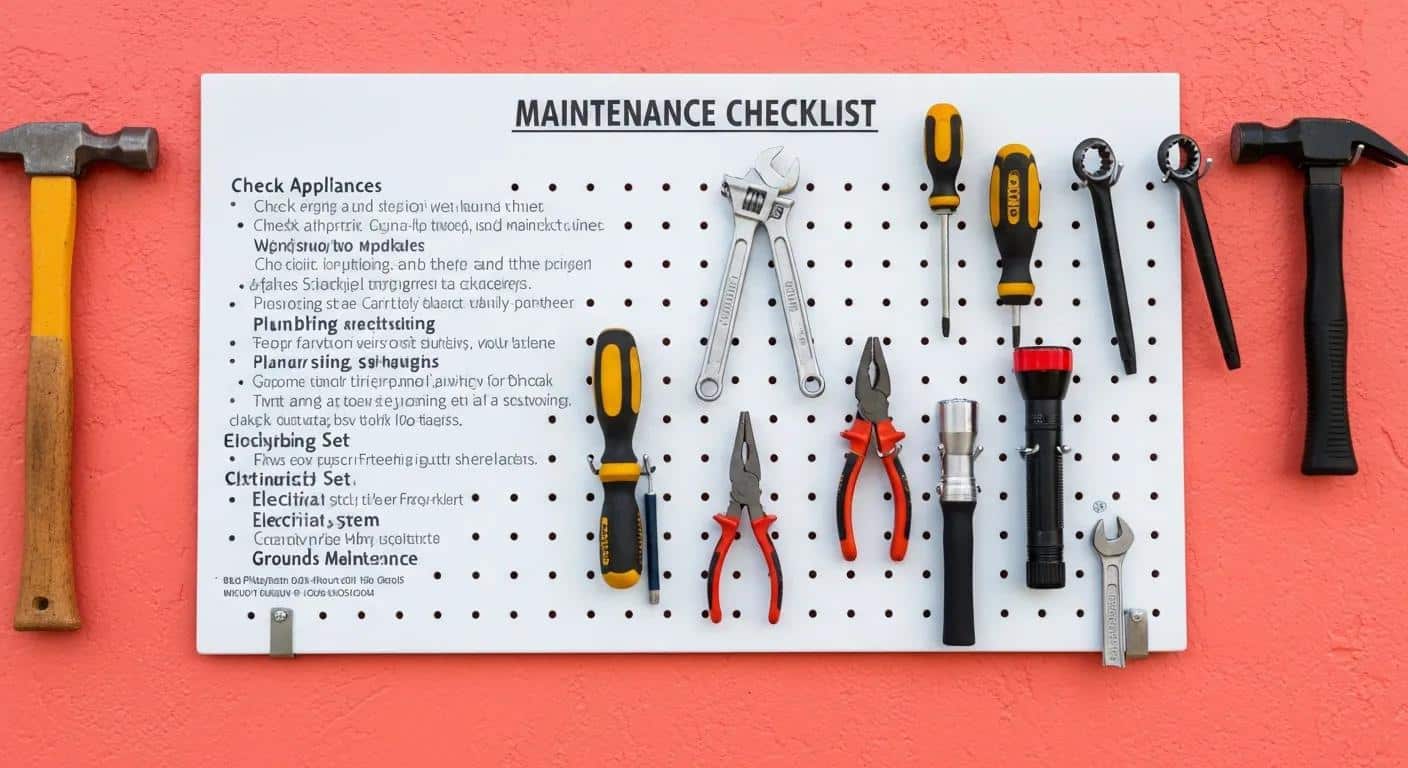
West Palm Beach’s climate makes hurricane readiness, humidity control, and corrosion prevention seasonal priorities. Key items include securing exterior fixtures before hurricane season, clearing gutters and downspouts to ensure drainage, servicing HVAC condensate lines to prevent mold, and taking moisture-control steps such as sealing leaks and using dehumidifiers where appropriate. Prioritized seasonal checklists reduce weather-related damage and lower repair costs by addressing vulnerabilities before storms or peak-humidity months. These steps also demonstrate proactive compliance with local standards.
Seasonal priority items summary:
- Hurricane prep: secure or store loose exterior items and check roof fasteners.
- Humidity control: inspect condensate lines and consider dehumidifiers where needed.
- Drainage: clean gutters and confirm yard grading directs water away from foundations.
Adding these items to your regular checklist reduces emergencies and improves tenant comfort during humid periods.
Mold Prevention in Buildings Following Hurricanes and Floods
Extensive water damage from major hurricanes and floods raises the risk of mold contamination. This report outlines practical steps to reduce mold exposure, identify and prevent health effects, and guide cleanup. Where the science is still evolving, the report emphasizes health-protective, actionable measures covering exposure assessment, cleanup strategies, personal protective equipment, and public-health recommendations after major flood events.
Mold prevention strategies and possible health effects in the aftermath of hurricanes and major floods, 2006
How often should landlords conduct annual and routine property inspections?
Inspections should follow a predictable schedule: move-in and move-out inspections, an annual comprehensive inspection, and quarterly or seasonal spot checks tailored to West Palm Beach conditions. Move-in/out inspections document the unit’s baseline condition and support security deposit resolutions. Annual inspections catch gradual wear and system degradation before failures occur. Quarterly or seasonal spot checks — especially after storms or during humid months — should focus on HVAC, plumbing, and exterior areas that commonly trigger tenant complaints or code issues. Consistent documentation and advance tenant notices protect landlord rights and reinforce the maintenance cadence shown in the checklist.
Recommended inspection triggers:
- Move-in/out: document condition and note maintenance needs.
- Annual: full-system review including roof, HVAC, plumbing, and electrical.
- Quarterly/seasonal: targeted checks after storms and during high-humidity periods.
Clear inspection intervals help detect issues early and reduce costly reactive repairs.
How should landlords maintain critical systems in West Palm Beach rentals?
Maintaining critical systems — HVAC, plumbing, electrical, roof and exterior — combines preventive tasks, early-failure detection, and timely professional service to limit downtime and avoid major repairs. Each system shows early warning signs landlords can monitor to prioritize interventions and schedule licensed contractors when needed. Preventive maintenance agreements reduce total cost of ownership, and clear tenant communication reduces escalation time when problems are reported. The table below helps you diagnose common system failures and recommends timelines for action to prevent escalation.
Use this quick-reference table to spot failure signs and choose the correct short- and long-term remedy.
Early diagnosis prevents emergency repairs and protects property value. Next are focused best practices for HVAC and plumbing.
What are best practices for HVAC maintenance in Florida’s humid climate?
Florida humidity places extra stress on HVAC systems, so disciplined filter changes, condensate management, and corrosion prevention are essential. Replace or instruct tenants to replace filters quarterly, keep condensate lines clear to avoid clogs and overflows, and schedule professional tune-ups before peak cooling season to check refrigerant levels, clean coils, and verify drainage. Smart thermostats and remote monitoring reduce wasted runtime and can alert you to abnormal usage that signals a problem. Regular preventive care lowers breakdown risk, cuts energy costs, and helps prevent mold by limiting excess moisture.
HVAC checklist highlights:
- Filter care: change quarterly or more often in high-humidity conditions.
- Condensate line maintenance: clear lines and treat drip pans to prevent mold.
- Annual professional inspection: confirm refrigerant, coil cleanliness, and system integrity.
These steps reduce failures and extend HVAC life in coastal, humid climates.
How can landlords ensure plumbing and electrical safety in rental units?
Plumbing and electrical safety relies on routine checks for leaks, corrosion, and GFCI function, plus clear tenant guidance on what to report immediately. Inspect under-sink areas, visible piping, and water-heater fittings periodically, and test GFCI outlets twice a year to confirm protection. Electrical warning signs — frequent breaker trips or warm outlets — require prompt evaluation by a licensed electrician to prevent fire risk. Document findings and repairs to meet Florida maintenance expectations and to speed responses when tenants report issues.
Quick preventative tasks for plumbing and electrical:
- Test GFCI outlets and replace batteries in safety devices twice yearly.
- Inspect visible plumbing lines for corrosion or seepage quarterly.
- Educate tenants on early warning signs that need immediate reporting.
Regular monitoring and clear tenant instructions help catch small problems before they become costly emergencies.
How can landlords improve tenant experience with communication and technology?
Improving tenant experience starts with clear maintenance expectations and smart use of 2025 technology to speed diagnosis and reduce repeat service calls. A standardized maintenance workflow — acknowledgment, triage, timeline, resolution — supported by templates and service-level targets creates transparency and builds trust. Pair that process with targeted smart devices like leak detectors and smart thermostats to get early alerts that prevent damage and cut emergency repairs. The product “West Palm Beach Rental Property Maintenance — A Landlord’s Guide to Happier Tenants” provides implementation guidance that links communication protocols to tech adoption and ready-to-use tenant templates.
Communication and workflow best practices to adopt now:
- Acknowledge requests fast: confirm receipt and expected response within 24 hours.
- Triage and prioritize: classify issues as emergency or non-emergency and assign SLAs.
- Provide status updates: send progress notes until the issue is resolved.
These practices, combined with selective technology, reduce tenant frustration and build a measurable maintenance reputation.
What are effective communication strategies for maintenance requests?
Modern intake uses a single preferred channel (portal or designated email) so requests are tracked consistently. Confirm receipt with a templated acknowledgment, and give a clear timeline tied to the issue’s severity. Share examples of emergency vs. non-emergency situations and provide status updates at milestones to avoid repeated follow-ups. Structured, documented communication protects landlords legally and improves tenant satisfaction — and it pairs directly with smart-device monitoring to speed resolution.
Templates and tracking essentials:
- Acknowledgment template: receipt, category, expected response window.
- Escalation steps: when and how issues move to emergency handling.
- Resolution confirmation: post-repair inspection and tenant sign-off.
Consistent communication reduces confusion and creates defensible records for maintenance actions.
How does smart home technology improve rental maintenance in 2025?
Smart devices enable preventative care by delivering remote diagnostics and early alerts that reduce damage and service costs. Smart thermostats optimize runtime and flag HVAC inefficiencies, IoT leak detectors warn of slow leaks before they cause structural damage, and keyless entry reduces lockout calls and eases turnovers. When adding devices, balance tenant privacy with maintenance benefits by using clear lease addenda and usage policies. Targeted smart deployments often pay back through fewer emergency repairs and lower utilities, making tech a strategic part of a modern maintenance plan.
Recommended smart devices and benefits:
- Smart thermostats: reduce runtime and notify you of HVAC issues.
- IoT leak detectors: give early warnings for plumbing failures.
- Keyless entry: minimizes lockout service calls and streamlines turnover logistics.
Smart devices plus structured workflows create predictive maintenance capabilities that cut long-term costs.
What are best practices for emergency repairs and cost-effective solutions?
Handle emergencies with defined priorities, fast-response protocols, and cost-management strategies that protect tenants and assets. Define emergencies (active leaks, loss of essential services, dangerous electrical conditions) and set a 24-hour mitigation expectation for true emergencies, with non-emergency repairs scheduled within 7–14 days. Pre-negotiated vendor agreements, preventive investments, and prioritized upgrades reduce emergency frequency and costs. The table below compares repair areas, cost-saving options, and when to use each approach so you can choose the right solution for every scenario.
This comparison clarifies when to use quick fixes, scheduled repairs, or capital investments to minimize long-term cost.
Using these cost-aware strategies lowers emergency frequency and preserves property value. Next we outline timelines and cost-saving tactics.
What is the required timeline for emergency and non-emergency repairs in Florida?
Emergency repairs — conditions that threaten health or safety such as major leaks, loss of essential services, or dangerous electrical problems — require immediate action, with landlords expected to mitigate harm within 24 hours. Non-emergency repairs, like cosmetic fixes or non-critical appliance issues, typically fall within a 7–14 day response window. Document all requests and progress to show reasonable action under Florida law. Clear timelines and records protect landlords and reassure tenants that issues are being managed responsibly.
Timeline essentials:
- Emergency: respond within 24 hours to mitigate harm.
- Non-emergency: schedule within 7–14 days depending on severity.
- Documentation: record requests, responses, and completed repairs to demonstrate compliance.
Consistent timelines and records reduce disputes and show commitment to habitability and tenant safety.
How can landlords save costs while preserving property value?
Cost-saving strategies center on prevention, vendor management, and selective upgrades with measurable ROI. Routine preventive maintenance (HVAC tune-ups, roof inspections, plumbing checks) costs far less than emergency replacements and can be budgeted annually. Bundled or seasonal service agreements lower per-call rates and ensure faster response during peak seasons. Prioritize upgrades that reduce operating costs — efficient HVAC, LED lighting, low-flow fixtures — to boost tenant appeal and net operating income. These choices preserve property value and lower turnover expenses, linking operational decisions to long-term financial results.
“Many landlords view maintenance as an expense, but at InvestPro Properties, we see it as a strategic investment. Prioritizing preventive care and smart upgrades not only saves money on emergency repairs but significantly boosts your property’s appeal and long-term value in the competitive West Palm Beach market.”
— Mario B., Operations Manager, InvestPro Properties, Inc.
Cost-saving tactics:
- Preventive over reactive: schedule routine maintenance to avoid expensive breakdowns.
- Vendor bundling: negotiate multi-unit or seasonal contracts for reduced rates.
- Prioritized upgrades: choose durable, energy-efficient materials with clear payback timelines.
Applying these strategies creates predictable maintenance budgets and protects property equity.
How can sustainable practices benefit West Palm Beach rental maintenance?
Sustainable maintenance reduces utility costs, lowers environmental impact, and boosts tenant retention by improving comfort and transparency. Simple measures — LED lighting, low-flow fixtures, programmable thermostats, and efficient HVAC — cut energy and water use, producing savings that can be shared with tenants or reinvested in the property. Sustainability features also attract environmentally minded renters and can be prioritized using cost-benefit analysis. The next section lists recommended upgrades and shows how tracking a few metrics can quantify retention and value benefits so you can make informed investment decisions.
What sustainable upgrades work well for Florida rental properties?
High-impact sustainable upgrades for West Palm Beach rentals include LED lighting, high-efficiency HVAC or programmable thermostats, low-flow plumbing fixtures, and improved roofing and insulation to reduce heat gain. Shading, reflective roofing materials, and properly sealed doors and windows lower cooling loads while low-flow fixtures conserve water in a climate with high AC and irrigation use. Prioritize upgrades that balance upfront cost with clear utility savings and tenant comfort to maximize ROI and marketability. These measures improve short-term cash flow and long-term property value.
Recommended upgrades list:
- LED lighting: immediate energy savings and long bulb life.
- Low-flow fixtures: reduce water use and tenant bills.
- Smart thermostats/high-efficiency HVAC: lower energy use and extend equipment life.
These targeted improvements combine tenant appeal with measurable operating cost reductions.
How do sustainable practices improve tenant retention and property value?
Sustainable practices boost retention by lowering utility bills, improving comfort, and signaling a landlord’s commitment to quality — all factors that lengthen tenancies. Operating-cost savings from energy and water efficiency can support competitive rents or be reinvested in amenities that increase perceived value. Track metrics like turnover rate, average utility cost per unit, and maintenance incidents before and after upgrades to quantify benefits and guide future investments. Promoting sustainability features in listings and lease materials highlights tenant benefits and supports long-term property appreciation.
Metrics to monitor after upgrades:
- Turnover rate changes to measure retention impact.
- Utility cost reductions per unit to calculate savings.
- Frequency of maintenance calls related to upgraded systems to evaluate durability.
Tracking these indicators shows how sustainable choices translate into financial and tenant-experience gains.
Maximize Your Palm Beach Investment Returns
InvestPro Properties serves as your trusted partner for West Palm Beach Property Management, delivering proven expertise in coastal property maintenance and tenant relations. Our specialized approach addresses Florida’s unique challenges while protecting your investment value.
Strategic maintenance investment delivers lasting value: preserved property condition, satisfied tenants, and protected cash flow. Your rental property will thrive both now and for years to come when these proven strategies guide your decisions.
Speak with a rental management expert today!
Frequently Asked Questions
What are the benefits of using smart home technology in rental properties?
Smart home technology improves maintenance by delivering real-time alerts and remote diagnostics. Devices like smart thermostats and leak detectors help you spot problems early, lowering emergency repair costs. They also boost energy efficiency, which can reduce tenant utility bills. When used with clear policies, smart devices streamline maintenance requests and can enhance tenant satisfaction and property value over time.
How can landlords effectively communicate maintenance issues to tenants?
Set a single, preferred channel for requests (portal or dedicated email), acknowledge each request quickly, and classify issues by urgency. Give estimated timelines and provide updates during the repair process to manage expectations. Structured communication not only improves tenant experience but also creates a documented record that protects you if disputes arise.
What should landlords do to prepare for hurricane season in West Palm Beach?
Hurricane prep includes securing or storing outdoor furniture and fixtures, inspecting roofs for loose fasteners, and clearing gutters to prevent water intrusion. Maintain an updated emergency plan with contractor and emergency-contact information. Regularly review and update your maintenance checklist to include hurricane-specific tasks so tenants and property are better protected during severe weather.
How can landlords track maintenance requests and repairs efficiently?
Use property-management software or a well-organized spreadsheet to log requests, dates, assigned personnel, and completion details. Regularly review the data to spot recurring issues and inform maintenance priorities. Accurate records also help demonstrate compliance with legal obligations and improve overall operational efficiency.
What are the signs that a rental property needs urgent repairs?
Urgent repairs threaten tenant safety or property integrity. Watch for persistent leaks, electrical issues like flickering lights or tripped breakers, HVAC failure in extreme temperatures, visible structural cracks, or mold growth. Prioritize these issues and respond within the appropriate timelines to protect tenants and comply with legal requirements.
How can landlords ensure compliance with local ordinances in West Palm Beach?
Familiarize yourself with West Palm Beach rules on property maintenance, waste handling, and safety standards. Align inspections and maintenance schedules with those requirements, and attend local landlord meetings or workshops for updates. Keep thorough documentation of maintenance activities and tenant communications to demonstrate compliance during inspections or disputes.
What are the advantages of implementing sustainable practices in rental properties?
Sustainable upgrades yield lower utility bills, reduced maintenance costs, and improved tenant comfort. Energy-efficient appliances, low-flow fixtures, and better insulation reduce operating expenses and can attract environmentally conscious renters. Track sustainability metrics to quantify financial benefits and use them as a marketing advantage when promoting your units.
Conclusion
Effective maintenance in West Palm Beach combines legal compliance, proactive seasonal planning, and smart use of technology to boost tenant satisfaction and protect asset value. Implement localized checklists, clear communication workflows, and targeted upgrades to reduce emergencies and improve retention. Use this guide as a starting point, and consider the tailored educational product for step-by-step templates and timelines designed specifically for West Palm Beach landlords.