
Foolproof Rental Property Inspection Checklist for Florida Landlords
A surprising 70% of property managers rely on rental property inspection checklists to maintain their properties.
In Florida, landlords from West Palm Beach to Tampa and Orlando often underestimate how regular property inspections can make or break their rental business. Regular rental inspections mean more than ticking boxes — they set clear standards, ensure compliance, and prevent costly surprises. A complete rental property inspection checklist is a vital tool that protects your investment while tenants occupy your property.
Property damage disputes with tenants can be avoided through proper inspections, especially during move-outs.
This expert guide walks Florida landlords through creating a bulletproof rental inspection checklist — covering move-in, periodic, and move-out procedures. You’ll learn why inspections matter, which areas deserve close attention, and how to stay fully compliant with Florida’s landlord-tenant laws. Whether you manage a single condo in Miami or multiple units across Palm Beach County or Tampa Bay, this checklist will help safeguard your investment for years to come.Why Rental Property Inspections Matter in Florida Regular property inspections are the backbone of successful property management in Florida. Property owners who do thorough inspections can spot problems early. This approach helps them avoid pricey repairs and protect their real estate assets.
Protecting your investment and avoiding disputes
A rental property is a major financial investment that needs constant attention from Florida landlords. Professional inspections give you a clear picture of your property’s condition. They help you find hidden issues like roof leaks, faulty wiring, or structural problems before they get pricey [1]. Research shows that 58% of tenants dislike their landlords because of poor property maintenance [1].
Complete documentation during inspections creates a solid record of the property’s condition throughout the tenancy. These records are a great way to get proof when resolving security deposit disputes or addressing lease violations. Regular check-ups help your roofing, plumbing, and HVAC systems last longer and preserve your investment’s value.
Improving tenant satisfaction and retention
Property inspections make tenants happier and loyal. Landlords who quickly fix maintenance issues found during inspections make their tenants feel valued. Property management experts say tenants are much more likely to renew their leases when they see their landlord’s steadfast dedication to property maintenance [2].
Regular inspections help you find safety hazards that could affect your tenant’s wellbeing. Quick action on these concerns shows you care about their living environment. This builds trust and encourages positive relationships.
Meeting Florida’s legal requirements for landlords
Florida law sets specific guidelines for rental property inspections. Florida Statute 83.53 requires landlords to give at least 24 hours’ notice before entering a property for inspection [1]. Reasonable inspection hours are between 7:30 a.m. and 8:00 p.m [1].
Florida landlords have rights and responsibilities. You can protect your property through inspections but must respect your tenant’s right to peaceful possession. The law clearly prohibits landlords from abusing access rights or using them to harass tenants [1].
Regular inspections with a rental property inspection checklist help you meet legal requirements. They also create a foundation for successful landlord-tenant relationships.
Types of Rental Property Inspections Every Landlord Should Know
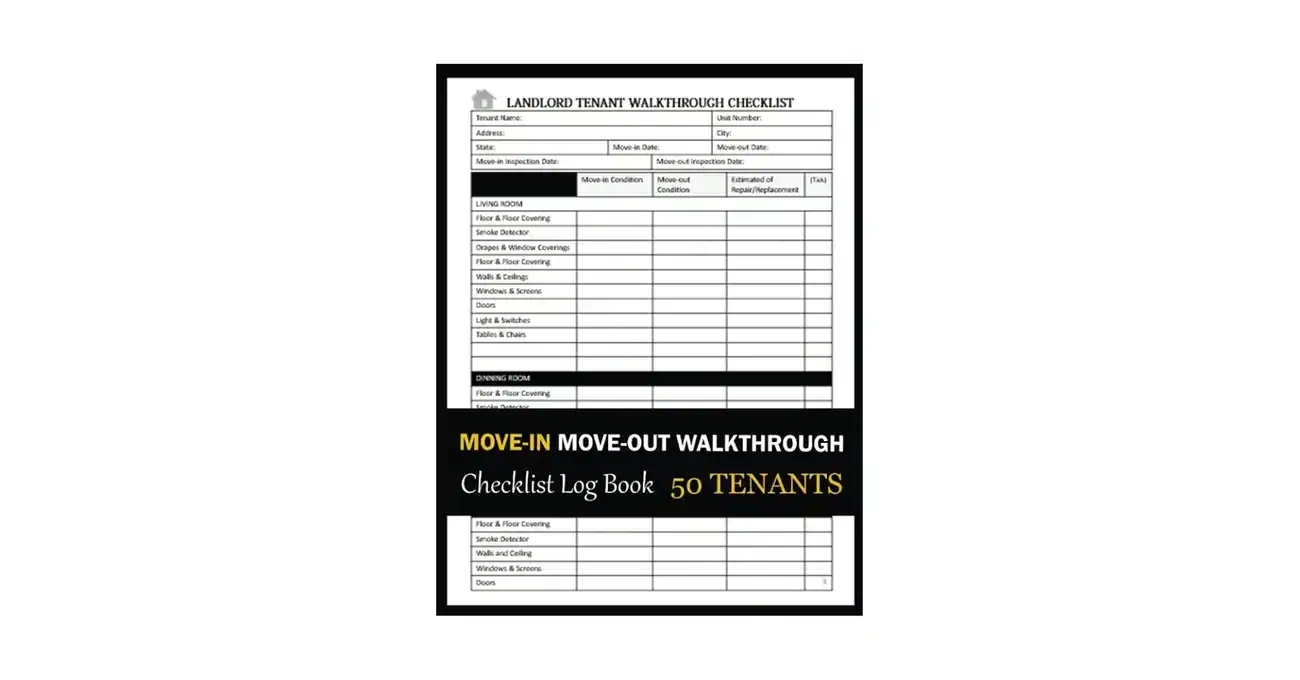
Image Source: Amazon.com
Smart landlords know that each property inspection type serves a specific purpose during a tenancy. A detailed inspection strategy helps protect property value and maintain good relationships with tenants.
Move-in inspections
Move-in inspections take place after lease signing but before tenants move in. These original walkthroughs set a baseline for your property’s condition and prevent future disputes about damages. I document everything really well as a landlord. I take clear photos and detailed notes of walls, floors, appliances, and fixtures. Both parties need to sign the inspection report to confirm they agree about the property’s condition. This documentation is vital evidence if disputes about the security deposit come up later.
Routine inspections
Regular property checks happen every three to six months during the tenancy. These visits help catch maintenance issues before they turn into expensive repairs. Scrutinizing plumbing, HVAC systems, and checking for unauthorized activities like extra occupants or pets has saved me thousands in potential damages. Florida law requires at least 24 hours’ notice to enter a tenant’s unit.
Move-out inspections
The final inspection happens when tenants leave your property. I compare the current condition with the move-in records to figure out what damages go beyond normal wear and tear. This assessment determines how much of the security deposit returns to the tenant. Having the tenant present during this walkthrough often prevents confusion about possible deductions.
Drive-by and seasonal inspections
Quick exterior checks let you assess the property without going inside. These casual drive-bys help spot issues like overgrown yards, unauthorized vehicles, or exterior damage. Seasonal inspections focus on getting your property ready for Florida’s weather challenges, especially when you have hurricane season or summer heat waves approaching. These preventive checks help identify weak spots in roofing, drainage systems, and HVAC efficiency that optimize your property’s lifespan.
Building a Foolproof Rental Property Inspection Checklist
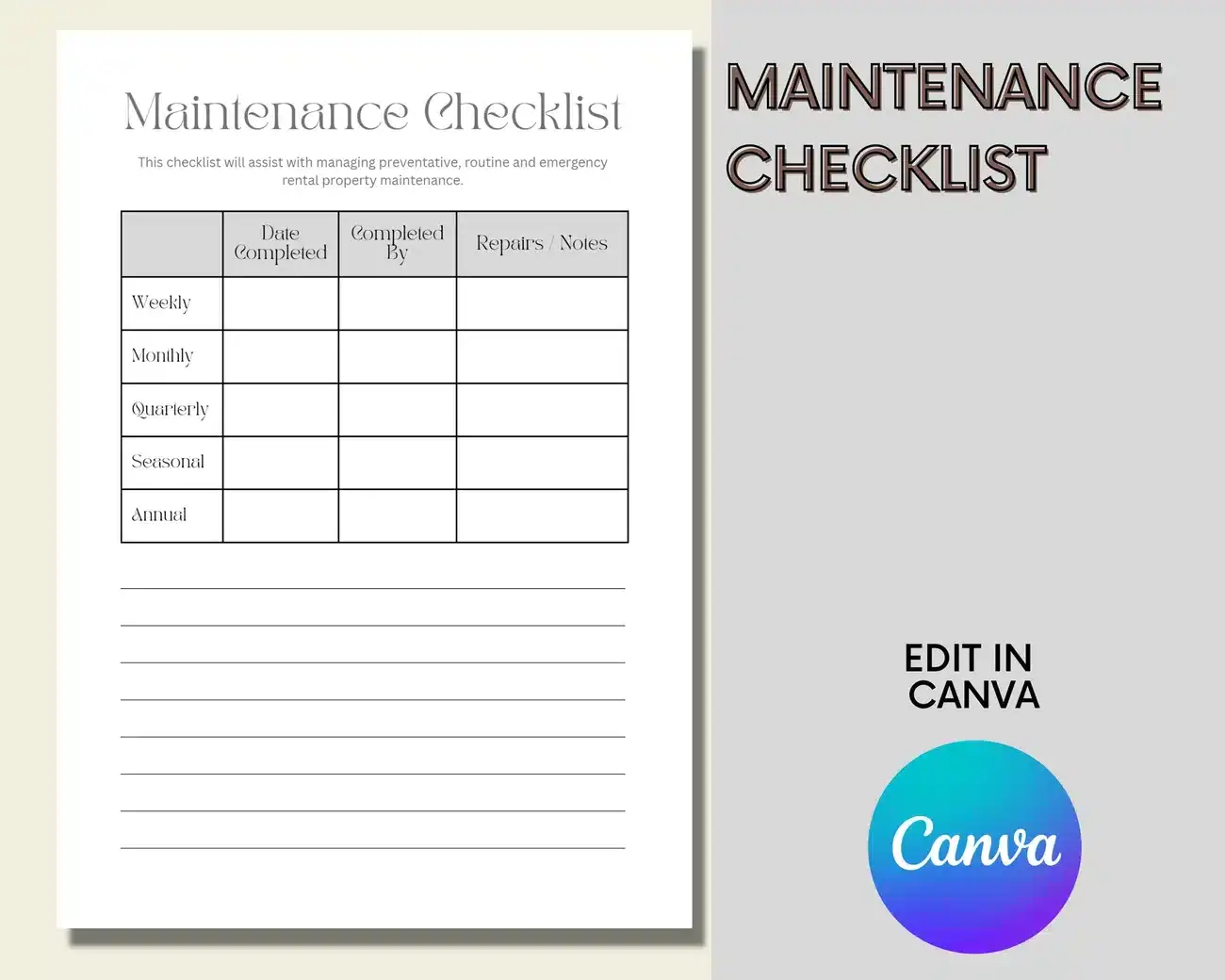
Image Source: Etsy
A detailed rental property inspection checklist needs specific details to protect your investment. Your well-laid-out checklist works as a documentation tool and preventive maintenance guide.
Interior areas: walls, floors, appliances
Start by getting into interior spaces to check walls and ceilings for cracks, holes, peeling paint, and signs of water damage or mold [3]. The floors should be structurally sound without tripping hazards [3]. Kitchen’s countertops and backsplashes need to be clean and sealed [4]. Test all appliances like refrigerators, stoves, dishwashers, and exhaust fans to ensure proper working order [4].
Exterior elements: roof, windows, landscaping
The roof needs a detailed assessment for damaged shingles, leaks, or loose gutters [5]. Windows should have working locks, intact screens, and no cracks [4]. Look for structural damage or peeling paint on the siding [5]. The property’s landscaping should be neat without debris, and walkways must stay hazard-free [4].
Plumbing, HVAC, and electrical systems
All plumbing fixtures should have adequate water pressure and proper drainage [3]. Check under sinks for leaks and test toilet functionality [4]. HVAC systems require regular filter changes and efficiency tests [6]. The electrical system’s outlets should work correctly and have proper cover plates [3].
Safety features: smoke detectors, locks, exits
Safety checks must verify that smoke and carbon monoxide detectors work properly, are correctly installed, and are less than ten years old [7]. All exterior doors and windows need functional locks [3]. Keep emergency escape routes clear, especially in bedrooms [3].
Common lease violations to look for
Watch for signs of unauthorized pets, smoking, or extra occupants during inspections [8]. Record any evidence of unapproved changes to the property structure [9]. And review lease agreements for clauses that address these issues to ensure complianceProperty standards stay intact by checking proper waste disposal and excessive clutter that creates safety risks [8].
Florida-Specific Rules and Best Practices for Landlords
Florida law sets clear guidelines for landlords who need to inspect their properties. These requirements help prevent legal issues and tenant disputes during the rental period.
Florida Landlord Move-in/Move-out Inspection checklist requirements
Move-in/move-out checklists are vital tools that help Florida landlords document property conditions. Both parties should complete these checklists when new tenants move in to get a full picture of the property and note any existing damage [10]. This helps avoid disagreements about security deposit returns that cover damage beyond normal wear and tear. Florida doesn’t legally require these checklists, all the same, they give significant protection to landlords and tenants alike.
Notice period and legal hours for inspections
Florida Statute §83.53 requires landlords to give “reasonable notice” before they enter a property to inspect. The law states that reasonable notice means at least 24 hours before entry [1]. Inspections must happen at “reasonable time” – between 7:30 a.m. and 8:00 p.m. [1]. Landlords who break these rules could face harassment charges under Florida law [1]. Emergency situations let landlords enter right away without notice to protect or preserve the property [11].
How to document inspections with photos and reports
Good documentation protects your investment. Take clear photos that show everything in the property’s condition [12]. You should capture both damaged and undamaged areas to get a complete picture [12]. A Florida property manager lost thousands in repair costs because they didn’t have enough photo evidence during a floor damage dispute [13]. Your photos need detailed written notes about each area’s condition to create solid evidence for possible disputes.
Using a rental property inspection checklist PDF or app
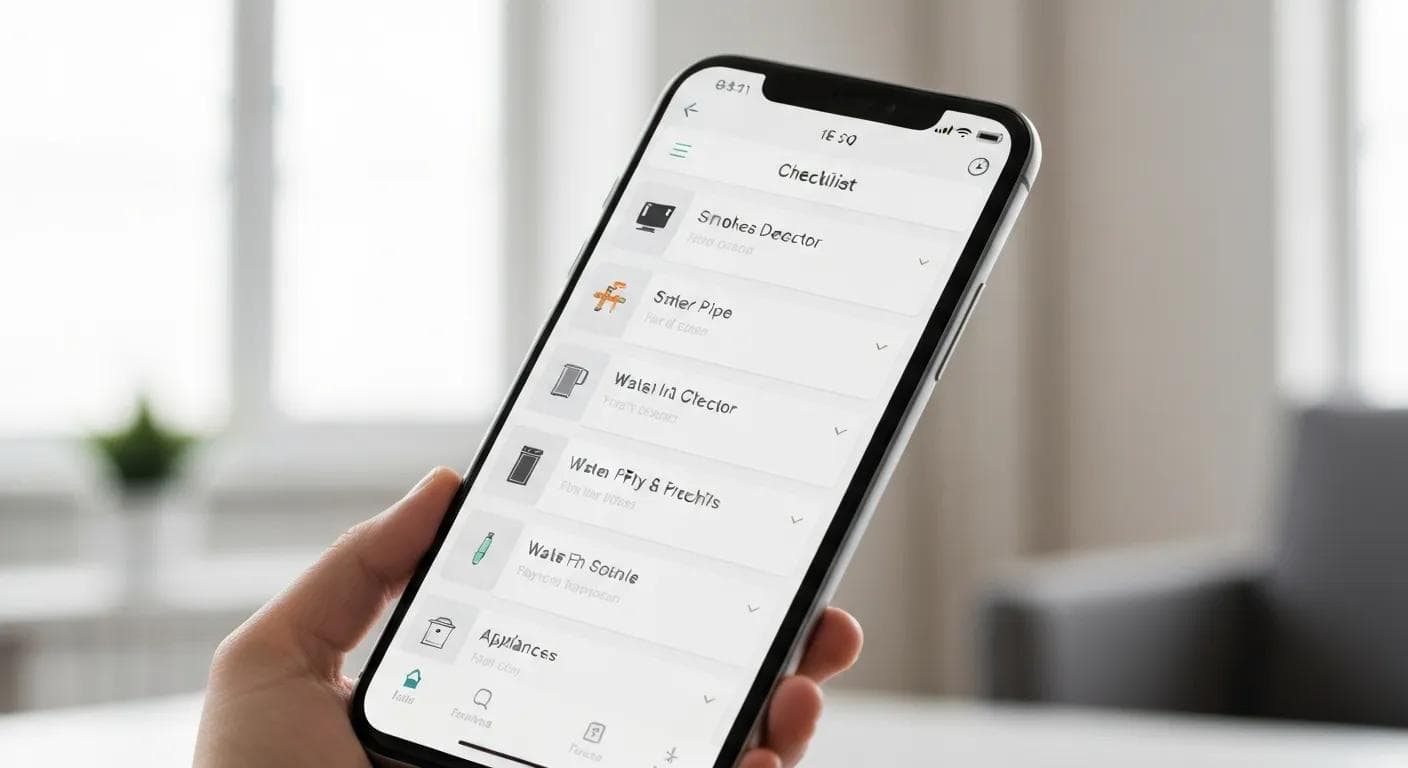
Digital tools make inspections easier and improve documentation quality. Apps like zInspector offer innovative property inspection tools that organize and save your findings automatically [14]. Your whole team can access photos, videos, and reports right away [14].
You can talk to a Florida Property Management Expert today to learn more about protecting your investment. Many digital tools now let tenants take part, which changes how property inspections work. These tools guide tenants through move-ins and regular checks. This saves property managers time and makes everything more transparent [14].
Conclusion
Property inspections are the foundations of successful property management in Florida. This piece shows how a well-laid-out inspection checklist protects your investment, helps avoid getting pricey disputes, and keeps tenant relationships positive.
Your first line of defense against conflicts starts with proper documentation. Clear photos, detailed notes, and thorough records during move-in, routine, and move-out inspections create solid evidence of your property’s condition throughout the tenancy.
On top of that, landlords must stay compliant with Florida’s specific rental laws. Note that Florida requires at least 24 hours’ notice before inspections, and these must happen between 7:30 a.m. and 8:00 p.m. These rules help build trust with tenants and protect your legal interests.
Digital tools have optimized the inspection process by a lot. Apps and digital checklists help document conditions quickly, share information instantly, and keep better records than paper methods. You can ask a Florida Property Management Expert today about protecting your investment through these modern inspection solutions.
Regular inspections show your steadfast dedication to property maintenance and tenant satisfaction. Your properties and tenant relationships thrive when you spot problems before they grow. Time spent on creating and using a foolproof rental property inspection checklist ended up bringing better returns, fewer headaches, and long-term success for Florida landlords.
Whether you own a single rental or manage dozens across Florida, having a proven inspection process is essential to protect your investment. Monty M., Owner/Broker of InvestPro Properties and a Florida property management expert with 27+ years of experience across West Palm Beach, Tampa, Miami, and Orlando, helps landlords implement thorough, legally compliant inspection checklists that prevent disputes and safeguard long-term rental income.
Speak with a property management expert today to ensure your properties are inspected, documented, and maintained the right way — every time.
Key Takeaways
Master these essential inspection strategies to protect your Florida rental investment and maintain positive tenant relationships while staying legally compliant.
• Document everything thoroughly: Take clear photos and detailed notes during all inspections to create irrefutable evidence for security deposit disputes and property condition records.
• Follow Florida’s 24-hour notice rule: Provide at least 24 hours’ written notice before inspections and conduct them only between 7:30 a.m. and 8:00 p.m. to avoid legal violations.
• Conduct four types of inspections: Implement move-in, routine (every 3-6 months), move-out, and seasonal inspections to catch issues early and prevent costly repairs.
• Focus on safety and systems: Prioritize smoke detectors, locks, HVAC, plumbing, and electrical systems in your checklist to ensure tenant safety and property functionality.
• Use digital tools for efficiency: Leverage inspection apps and PDF checklists to streamline documentation, improve organization, and enable instant sharing with your property management team.
Regular inspections aren’t just about compliance—they’re your best defense against property damage, tenant disputes, and unexpected repair costs. A comprehensive checklist transforms property management from reactive to proactive, ultimately protecting your investment while building trust with tenants through demonstrated care for their living environment.
FAQs
Q1. How often should Florida landlords conduct rental property inspections? Routine inspections are typically conducted every 3 to 6 months. However, landlords should also perform move-in and move-out inspections, as well as seasonal inspections to prepare for Florida’s weather challenges.
Q2. What notice must Florida landlords provide before inspecting a rental property? Florida law requires landlords to provide at least 24 hours’ notice before entering a property for inspection purposes. Inspections must occur between 7:30 a.m. and 8:00 p.m., which is considered “reasonable time” under state law.
Q3. What should be included in a rental property inspection checklist? A comprehensive checklist should cover interior areas (walls, floors, appliances), exterior elements (roof, windows, landscaping), plumbing, HVAC, and electrical systems, safety features (smoke detectors, locks, exits), and potential lease violations.
Q4. Can landlords look inside cabinets and closets during an inspection? While landlords can open built-in cupboards to assess their condition, they should not rifle through tenants’ personal belongings. The focus should be on inspecting the property’s features and systems, not tenants’ possessions.
Q5. How can landlords effectively document rental property inspections? Landlords should take clear, unblurred photos of both damaged and undamaged areas, accompanied by detailed written notes. Using digital tools like property inspection apps can streamline the process, allowing for instant organization and sharing of findings.
References
[1] – https://www.leg.state.fl.us/Statutes/index.cfm?App_mode=Display_Statute&Search_String&URL=0000-0099/0083/Sections/0083.53.html
[2] – https://wurthpm.com/benefits-of-regular-property-inspections-for-landlords/
[3] – https://www.johnsoncountyiowa.gov/pds/rental-inspection-checklist
[4] – https://www.rentspree.com/blog/rental-inspection-checklist
[5] – https://www.avail.co/education/articles/rental-property-walk-through-checklist
[6] – https://www.baymgmtgroup.com/blog/rental-property-inspection-2/
[7] – https://www.chnj.gov/DocumentCenter/View/6997/Rental-Inspection-Checklist
[8] – https://www.apartments.com/rental-manager/resources/maintenance/what-can-landlord-look-during-inspection
[9] – https://cordonrealestate.com/lease-compliance-inspections/
[10] – https://rentalleaseagreements.com/fl/florida-landlord-tenant-move-checklist-pdf-template/
[11] – https://salcineslaw.com/right-to-inspect-and-right-to-enter-landlord-and-tenant-law/
[12] – https://www.unitedffs.com/how-to-document-a-propertys-condition-with-photos/
[13] – https://photoidapp.net/how-to-properly-document-inspections-with-photos/
[14] – https://www.zinspector.com/